
Propagation
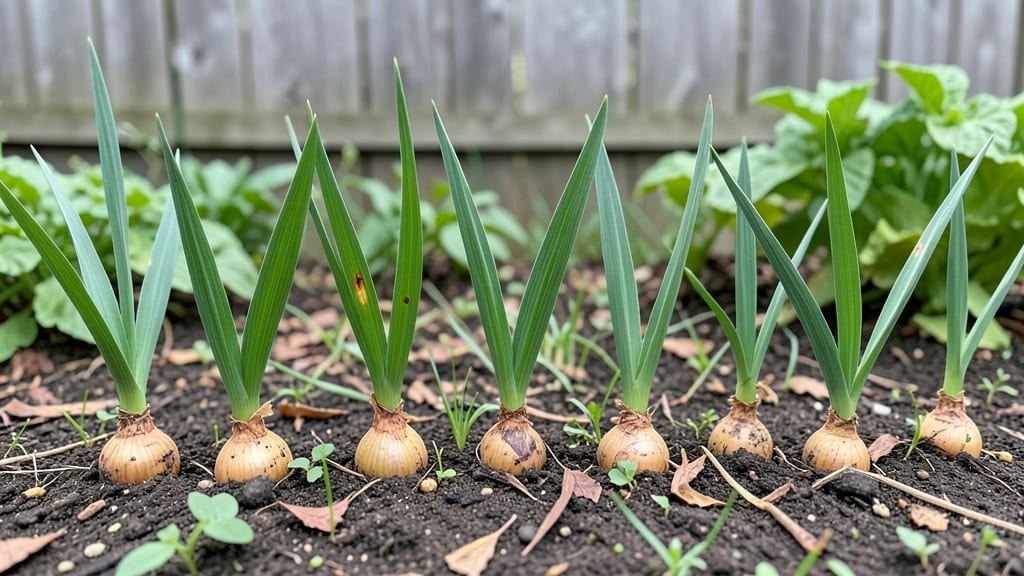
Planting gladiolus seeds transforms your garden into a vertical masterpiece with those signature sword-like blooms—if you nail the timing and depth. 🌱 I’ve watched impatient gardeners rush the process only to get leggy, floppy stems, but there’s a sweet spot where these seeds actually thrive.
The secret lies in mimicking their natural habitat: well-draining soil, patience, and just enough moisture to coax them into strong roots before they shoot skyward.
You’ll need a sunny spot with at least 6 hours of direct light daily, a loose soil mix (think 60% garden soil, 30% compost, 10% perlite), and seeds planted ½ inch deep—no deeper, or they’ll rot.
Most beginners overwater, but gladiolus seeds hate soggy soil. A gentle misting every 2-3 days keeps them happy until the first true leaves appear, which usually takes 2-3 weeks if conditions are right.
By the time those first 6-inch shoots break through, you’ll know you’ve done it right—they’ll be sturdy, not wobbly. These plants grow 3-5 feet tall with proper care, and the blooms?
They’re the kind that make neighbors pause and ask, “What are those?” The key is consistency: feed them every 4-6 weeks with a balanced fertilizer once they’re established, and watch them reward you with bold, jewel-toned spikes by midsummer.
Works best in zones 5-9, but even in cooler climates, you can start seeds indoors 8-10 weeks before last frost and transplant after the soil warms to 60°F.
The biggest mistake? Planting too close together—give them 6 inches of space so they don’t compete. Trust me, the wait is worth it for those towering, drama-worthy blooms.
📚 In This Guide
- What you need
- Instructions
- Tips and common mistakes
- Wrapping up and next steps
What you need
- ● Gladiolus seeds: Choose fresh, high-quality seeds (preferably from a trusted supplier). Aim for 5–10 seeds per plant if sowing in clusters.
- ● Seed-starting trays or small pots: 2–4 inch deep containers (biodegradable pots work great!). Use 6–12 cells per tray for spacing.
- ● Seed-starting mix: A lightweight, well-draining mix (e.g., 50% peat moss, 30% perlite, 20% vermiculite). Avoid garden soil—it’s too dense!
- ● Grow lights or sunny windowsill: Gladiolus seeds need 6–8 hours of light daily. A full-spectrum LED grow light (12–16 inches above seeds) is ideal.
- ● Misting bottle or spray nozzle: Keeps seeds consistently moist without drowning them. Aim for fine mist applications.
- ● Plastic wrap or humidity dome: Creates a mini greenhouse to retain moisture until germination (usually 14–21 days).
- ○ Fertilizer (optional but helpful): Starter fertilizer: A balanced 10-10-10 or fish emulsion (diluted to half-strength) to kickstart growth.
- ● Slow-release granules: Mix 1 tbsp per gallon of soil for steady nutrition.
- ● Well-draining soil: Gladiolus hates soggy roots! Amend clay soil with compost or sand (aim for 60% sand, 30% compost, 10% perlite).
- ● Sunny spot: Full sun (6+ hours daily) is a must. Partial shade may stunt blooms.
- ● Support stakes or trellis: Tall gladiolus varieties need sturdy 3–4 ft stakes (bamboo or metal works best). Plant 3–4 stakes per cluster for stability.
- ● Mulch: 2–3 inches of straw or shredded leaves to retain moisture and regulate soil temp.
- ● 💡 Soak seeds overnight: Place seeds in lukewarm water for 12 hours before planting to soften the outer shell and boost germination rates.
- ● 🌡️ Warmth speeds things up: Keep trays in a 70–75°F (21–24°C) environment (e.g., on top of a fridge or under a heat mat).
- ● ✨ Label your seeds: Use toothpicks and masking tape to mark varieties—gladiolus come in hundreds of colors!
How to plant gladiolus seeds for stunning summer blooms
Gladiolus thrive with patience and precision—here's how to coax those dramatic spikes from tiny seeds.
🌱 Step 1: Start Seeds Indoors at the Right Time
Begin sowing 8-10 weeks before your last frost date—this gives seedlings enough time to develop strong roots before outdoor planting. Use sterile seed-starting mix in 2-3 inch deep containers to prevent damping-off. I like to press the mix into the bottom of each cell so it's firm but not compacted—this helps young roots anchor immediately.
Plant seeds ½ inch deep since they need darkness to germinate. Two seeds per cell ensures you won't lose your entire batch if one fails. Keep the soil consistently moist at 70-75°F using a seedling heat mat—gladiolus seeds germinate slowly without warmth. You'll see sprouts in 14-21 days, but don't be surprised if it takes longer in cooler conditions.
☀️ Step 2: Provide Strong Light and Gradual Hardening
Once seedlings emerge, move them to a south-facing window or under grow lights for 12-14 hours daily. Gladiolus seedlings need intense light to prevent leggy growth—you'll know they're getting enough when leaves stay dark green and stems remain thick. If they stretch toward the light with pale stems, raise the lights or rotate pots daily.
Begin hardening off 2 weeks before transplanting by placing seedlings outside in partial shade for 1-2 hours the first day. Gradually increase exposure over 7-10 days until they can handle full sun. Watch for wilting—they're ready when they bounce back within an hour of watering.
🪴 Step 3: Plant Deeply in Well-Drained Soil
Choose a location with 6+ hours of direct sun and dig planting holes 6 inches deep—gladiolus corms need depth to establish strong roots. Space plants 6 inches apart in rows 12 inches apart for proper air circulation. Mix 2-3 inches of compost into the bottom of each hole to provide nutrients without compacting the soil.
Water deeply after planting to settle the soil around the corms. Mulch with 2 inches of straw to retain moisture and suppress weeds, but keep mulch 4 inches away from stems to prevent rot. You'll see flower spikes emerge 10-12 weeks after planting, but the first year focuses on root development—don't expect blooms until the second season.
Tips & tricks for perfect gladiolus seedling growth
Mastering gladiolus seed germination requires precision—here's how to avoid common pitfalls and give your seedlings the best start.
The Heat Factor: Maintaining that 70-75°F soil temperature during germination is non-negotiable. I've found that placing seed trays on a heating pad set to 75°F creates ideal conditions. If your home stays cooler, consider using a small greenhouse with a built-in heat source—gladiolus seeds can take 3-4 weeks to germinate in temperatures below 65°F. The key is consistency: sudden temperature drops can shock the seeds and delay sprouting.
Lighting Secret: Those 12-14 hours of daily light in Step 2 aren't just about duration—they're about intensity. If your seedlings start stretching toward the light with pale stems, you're dealing with "leggy" growth. This happens when light isn't strong enough. I recommend using full-spectrum LED grow lights positioned 6 inches above seedlings for optimal results. Rotate trays daily so all sides get even exposure—you'll notice the difference in just 3-5 days of proper lighting.
Hardening Off Strategy: The 2-week hardening process before transplanting is where most beginners make mistakes. Start with just 1-2 hours in partial shade, then gradually increase exposure. Here's my pro tip: watch for the "one-hour bounce-back" test—if seedlings wilt but recover within an hour after watering, they're ready for the next step. Rushing this process can shock delicate seedlings, leading to stunted growth or even death. Think of it as a gradual acclimation to outdoor conditions.
Planting Depth Wisdom: Those 6-inch deep planting holes in Step 3 might seem excessive, but they're crucial. Gladiolus corms develop long roots that need space to establish. I've seen gardeners plant too shallow, which results in weak stems that can't support those dramatic flower spikes. When mixing 2-3 inches of compost into the planting hole, be gentle—over-compacting can create air pockets that prevent proper root development. The goal is loose, nutrient-rich soil that encourages strong root growth.
Pro Tips for Gladiolus Seeds Planting
- Mastering gladiolus seed germination requires precision—here's how to avoid common pitfalls and give your seedlings the best start.
- The Heat Factor: Maintaining that 70-75°F soil temperature during germination is non-negotiable.
- Lighting Secret: Those 12-14 hours of daily light in Step 2 aren't just about duration—they're about intensity.
Frequently asked questions
Got questions about growing gladiolus from seeds?
You’re not alone! Here are answers to the most common queries to help you cultivate stunning blooms with confidence.
When is the best time to plant gladiolus seeds?
Gladiolus seeds thrive in warm soil, so plant them after the last frost when temperatures stay above 60°F (15°C). In most regions, this means late spring to early summer. If you’re in a cooler climate, start seeds indoors 6–8 weeks before transplanting. Patience pays off—waiting ensures robust growth!
How deep and how far apart should I plant gladiolus seeds?
Plant seeds 1/2 inch deep and space them 3–4 inches apart in rows 12–18 inches apart. Gladiolus corms (if using) need slightly more room (6 inches deep, 6 inches apart), but seeds are delicate—keep them shallow and moist. Pro tip: Use a seed starter mix for better germination!
Why aren’t my gladiolus seeds germinating?
Common culprits: cold soil, dry conditions, or old seeds (gladiolus seeds lose viability after 1–2 years). Ensure soil stays consistently moist (not soggy) and warm. Try soaking seeds in warm water overnight before planting or use a seedling heat mat for faster sprouts.
Can I grow gladiolus from seeds instead of corms?
Yes! While corms are faster (blooming in the first year), seeds take 2–3 years to mature. Seed-grown gladiolus may not match hybrid colors/shapes but offer unique, heirloom varieties. For quick blooms, start with corms, then save seeds from your best flowers for future generations.
How do I prevent gladiolus from flopping over?
Tall gladiolus need support! Plant them near stakes or trellises before they get too heavy. Space stakes every 1–2 feet and tie stems gently with soft twine. Avoid over-fertilizing with nitrogen—it promotes leafy growth over sturdy stems. A light mulch also helps stabilize soil.
Do gladiolus come back every year from seeds?
Not usually! Gladiolus grown from seeds are annuals or short-lived perennials. For repeat blooms, dig up corms after foliage dies back, cure them in a dry place, and replant next spring. Seedlings may self-seed in mild climates, but most gardeners replant corms for reliability.
Wrapping up and next steps
Planting gladiolus seeds is a rewarding journey that transforms your garden into a vibrant canvas of towering blooms! 🌱 With the right soil, timing, and care, you’ll soon enjoy stunning flowers that add drama and elegance to any space.
Whether you’re a beginner or a seasoned gardener, every seed you plant is a step toward a flourishing future—so grab your gloves and get growing!
Ready to watch your garden thrive? Start by sketching your planting layout or exploring companion plants to maximize your gladiolus’s potential. Happy planting! 🌸