
Shrubs
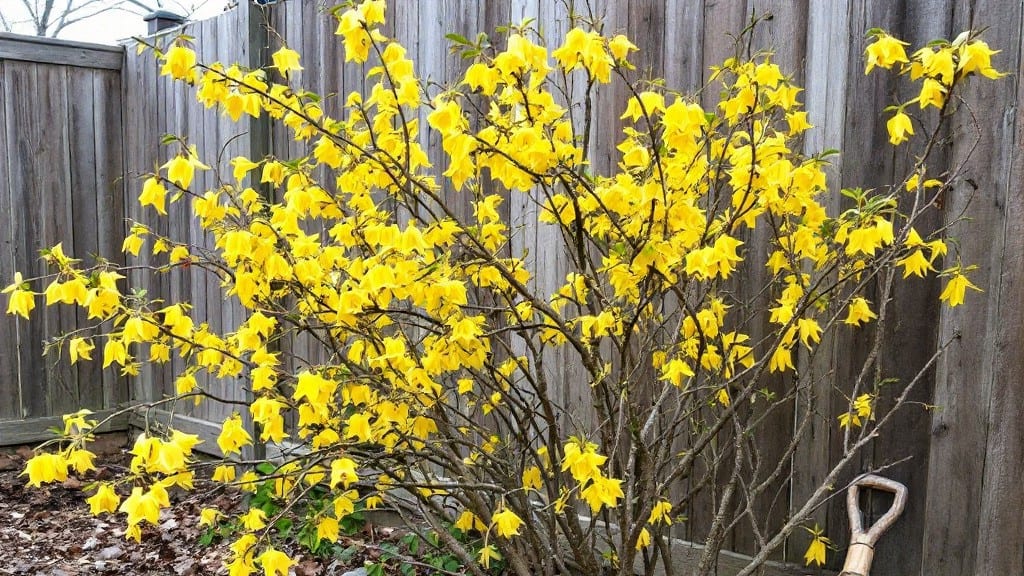
The right forsythia planting distance makes all the difference between a bush that bursts with golden blooms and one that struggles for sunlight. 🌿 I learned this the hard way after crowding my first two plants together—what should have been a dramatic spring display turned into scraggly stems and sparse flowers.
For single bushes, 4 to 6 feet of space lets them spread naturally without competing for light or nutrients. When creating a hedge, stagger plants 5 to 8 feet apart in rows spaced 6 to 10 feet apart—this ensures airflow and prevents disease while maximizing that eye-catching yellow cascade.
The key is matching their mature size to your space, since forsythia can grow 8 to 12 feet wide over time.
Healthy growth starts with well-drained soil and full sun (6+ hours daily), but proper spacing keeps them thriving for decades. You’ll see stronger stems, more abundant blooms, and easier maintenance when you give them room to breathe.
The payoff? A 10-foot hedge that flowers like a golden waterfall every spring.
Fair warning: Skimping on space leads to leggy growth and fewer flowers—trust me, I’ve seen both sides. Whether you’re planting one accent bush or a full hedge, these distances work for zones 5 through 9. Let’s get those roots settled right from the start.
📚 In This Guide
- What you need
- Instructions
- Tips and common mistakes
- Wrapping up and next steps
What you need
- ● Pro tip: 💡 Test your soil first! A pH test kit ($10-$15) ensures forsythia’s ideal 6.0-7.0 pH. Adjust with lime (to raise pH) or sulfur (to lower) if needed.
Instructions for planting forsythia with optimal spacing
Here’s how to position your shrubs for maximum bloom and long-term vigor.
🌱 Step 1: Choose Planting Locations Based on Sunlight Needs
Forsythia thrives in full sun to partial shade, but for the most vibrant yellow blooms, prioritize spots with at least 6 hours of direct sunlight daily. I always scout locations in late afternoon when shadows are longest—this reveals how much light each area truly receives. Avoid deep shade spots; forsythia will grow but produce sparse, weak flowers.
If your yard has only morning sun, don’t panic—forsythia tolerates this, though blooms may be slightly less dramatic. The key is consistency: once you mark a spot, measure 12-15 feet between plants for mature size. This ensures branches won’t compete for sunlight or crowd each other’s root systems.
🪴 Step 2: Dig Holes to Match Root Ball Size
Dig planting holes twice as wide as the root ball but no deeper. Forsythia roots spread horizontally, so extra width encourages faster establishment. I use a shovel to loosen the soil at the bottom of the hole—this prevents compaction that could strangle new roots. Mix the excavated soil with 1 part compost to enrich the planting zone.
Place each shrub so the top of the root ball sits 1-2 inches above ground level. This prevents stem rot from sitting water. Tap the soil gently around the roots to eliminate air pockets, then water deeply to settle everything. You’ll see the soil surface sink slightly as it absorbs moisture—that’s your signal the plant is properly seated.
✂️ Step 3: Prune for Shape and Airflow
After planting, trim any broken branches or overly long stems to encourage bushier growth. I cut just above a leaf node at a 45-degree angle to promote healing. Avoid heavy pruning now—wait until right after flowering for your first major shaping. This timing ensures you don’t remove next year’s blooms.
Space plants 12-15 feet apart for single-stemmed varieties or 8-10 feet apart for multi-stemmed types. Measure from the trunk outward to maintain symmetry. If planting in a hedge, stagger rows like bricks to create a natural, dense barrier. This spacing prevents disease by improving airflow between branches.
☀️ Step 4: Water Deeply and Monitor Soil Moisture
Water each newly planted forsythia with 1-2 gallons of water immediately after installation. Check soil moisture by sticking your finger 2 inches deep—it should feel damp but not soggy. Forsythia is drought-tolerant once established, but young plants need consistent moisture for the first 2 growing seasons.
Mulch around the base with 2-3 inches of organic mulch (like shredded bark) to retain moisture and suppress weeds. Keep mulch 3 inches away from the trunk to prevent rot. You’ll notice new growth within 4-6 weeks if spacing and care are correct—look for fresh green leaves emerging from the base of the plant.
🌿 Step 5: Plan for Long-Term Growth Patterns
Forsythia grows 2-3 feet per year under ideal conditions, so revisit spacing annually. If branches start touching, prune to open the center—this prevents fungal issues and ensures sunlight penetrates to inner stems. I mark each plant’s mature outline with landscape paint on a stake to visualize future growth.
For a natural, layered look, plant taller varieties in the back and shorter ones in front. This creates visual depth while maintaining the 12-15 foot spacing rule. Over time, your forsythia will develop a sturdy structure, producing 2-3 weeks of brilliant yellow blooms each spring—the perfect harbinger of warmer weather.
Tips & tricks for perfect forsythia planting
Here's what I've learned after planting dozens of forsythia shrubs—these small details make all the difference for vibrant blooms and long-term health.
The Sunlight Secret: That 6-hour sunlight minimum isn't just about blooms—it's about plant health. I test locations by placing a white board vertically at noon and marking shadow lengths every hour. If shadows extend beyond 6 hours, that spot will produce weaker growth. Morning sun is better than nothing, but afternoon sun (when temperatures peak) is more valuable for photosynthesis.
Root Ball Precision: When digging holes twice as wide as the root ball in Step 2, use a tape measure to verify the width. I've seen gardeners guess and end up with holes that are too narrow, which restricts root expansion. The extra width should equal about 12-18 inches for standard-sized forsythia root balls. This horizontal space is crucial because forsythia roots spread outward, not downward.
Pruning Timing Matters: The instruction to wait until right after flowering for major pruning is critical. I mark my calendar for this annual task—typically late April to early May in most climates. Pruning at this time removes wood that's already bloomed but preserves next year's flower buds. If you prune too late, you risk cutting off next season's blossoms before they've formed.
Long-Term Visualization: That 2-3 foot annual growth rate means your forsythia will reach maturity in about 5-7 years. To plan ahead, I use wooden stakes and string to outline the mature shape before planting. This helps me visualize how the shrubs will fill out while maintaining the proper 12-15 foot spacing. For multi-stemmed varieties, I reduce this to 8-10 feet but still use stakes to mark the mature width.
Pro Tips for Forsythia Planting Distance
- Here's what I've learned after planting dozens of forsythia shrubs—these small details make all the difference for vibrant blooms and long-term health.
- The Sunlight Secret: That 6-hour sunlight minimum isn't just about blooms—it's about plant health.
- Root Ball Precision: When digging holes twice as wide as the root ball in Step 2, use a tape measure to verify the width.
Frequently asked questions
Got questions about spacing your forsythia for the best blooms and growth? Here are some of the most common ones—plus quick, practical answers to help you plant with confidence!
What’s the ideal forsythia planting distance for a hedge?
For a dense, uniform hedge, space forsythia shrubs 3 to 4 feet apart. This allows branches to intertwine naturally while leaving room for airflow and sunlight to reach all parts of the plant. If you’re planting in a row, maintain this distance for a polished, layered look. Pro tip: Use a measuring tape to mark spots before digging to avoid uneven gaps!
Can I plant forsythia too close together?
Yes, but it’ll lead to crowded growth, poor airflow, and more disease risks like powdery mildew. If you’ve already planted them too close, prune back overlapping branches in early spring to improve circulation. Over time, you may need to thin out weaker stems. Think of it like a party: Too many guests (plants) in one spot? Things get cramped!
How long does it take for forsythia to fill out its spacing?
Forsythia grows moderately fast—expect noticeable filling in 2 to 3 years, with full maturity (and that iconic yellow bloom!) around 5 years. In the meantime, regular pruning (after flowering) encourages bushier growth. Patience pays off: Those early years are all about root establishment!
What if my forsythia isn’t flowering well? Could spacing be the issue?
Spacing alone might not be the culprit, but overcrowding can stress plants, reducing blooms. Check for:
- Sunlight: Ensure 6+ hours of direct sun daily.
- Soil: Amend with compost if your soil is clay-heavy.
- Age: Young forsythia (under 3 years) may not bloom yet.
Can I mix forsythia with other shrubs?
Forsythia pairs well with dwarf lilacs, boxwood, or hydrangeas for layered texture. Just ensure companions have similar sunlight needs (full sun to part shade) and avoid planting too close to aggressive spreaders like Lonicera (honeysuckle). Design hack: Use forsythia as a “pop of color” backdrop for shorter perennials!
Does cold climate affect forsythia spacing needs?
Not significantly! Forsythia is hardy in USDA Zones 4–8, and spacing guidelines remain the same. However, in harsh winters, mulch around the base (2–3 inches) to protect roots. If you’re in a windy area, slightly wider spacing (4–5 feet) helps prevent branch damage.
Wrapping up and next steps
Planting forsythia with the right spacing ensures vibrant blooms and healthy growth for years to come! 🌸 Remember, 3–6 feet apart is ideal—depending on your variety and sunlight exposure—to allow airflow and prevent overcrowding. With proper care, your forsythia will reward you with stunning spring color and minimal maintenance.
Ready to transform your garden? Mark your spots, dig with confidence, and watch your forsythia thrive! 🌱 For extra tips, check out our gardening guide or start planting today.