
Tools
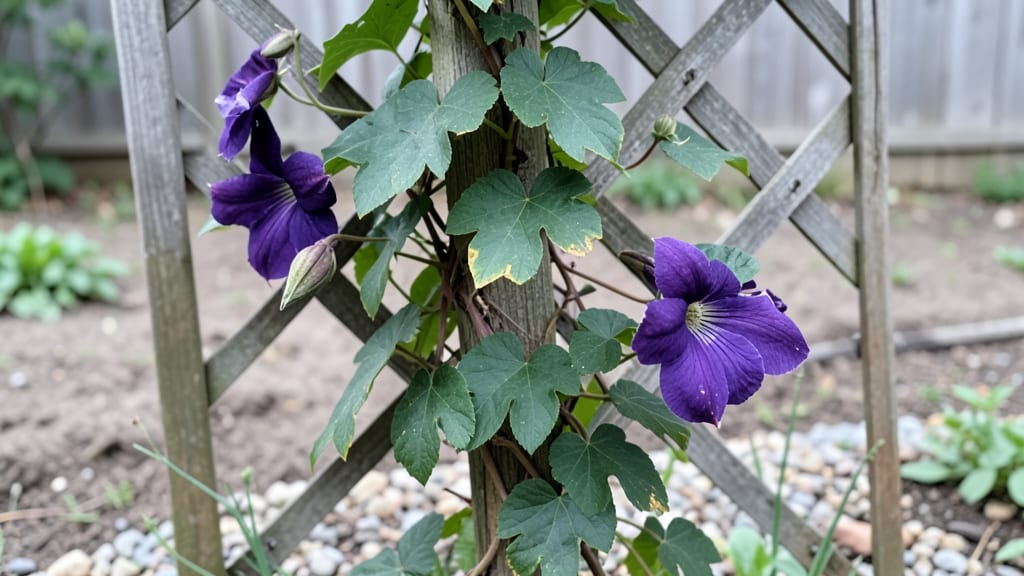
My first flowering trellis plants transformed a boring fence into a jewel-toned vertical waterfall last summer. 🌿 The right climbers don't just fill empty space—they create drama, draw eyes upward, and solve small-space dilemmas with lush, fragrant blooms that last all season.
You don’t need fancy equipment—just a sturdy trellis (metal, wood, or even a simple string system), a few climbing plants like clematis, morning glories, or roses, and a sunny spot.
The key is matching plant vigor to trellis strength: delicate vines like sweet peas need gentle support, while heavy climbers like jasmine require thicker lattice. Most flowering vines thrive with 6 hours of sun and regular pruning to encourage upward growth.
Imagine waking to pink clematis spilling over your porch or purple morning glories framing your patio by August. These plants don’t just look stunning—they attract pollinators, provide shade, and make vertical gardening feel effortless.
The best part? You can train them along walls, pergolas, or even old wooden ladders for instant charm.
Perfect for urban balconies, cottage gardens, or modern courtyards—this technique works anywhere you’ve got vertical real estate. Let’s turn that blank wall into a living masterpiece!
📚 In This Guide
- What you need
- Instructions
- Tips and common mistakes
- Wrapping up and next steps
What you need
- ● Trellis Structure: 1–2 freestanding or wall-mounted trellises (wood, metal, or PVC; 4–6 ft tall, 2–3 ft wide).
- ○ Optional: Decorative lattice panels (for rustic charm) or modular trellis kits (for flexibility).
- ● Climbing Plants: 3–5 flowering vines (e.g., clematis, morning glories, sweet peas, or jasmine). Check sun/soil needs!
- ● 1–2 potted plants (6–8" pots) or seeds (if starting from scratch).
- ● Soil & Fertilizer: 5–10 gallons of well-draining potting mix (add perlite for aeration).
- ● 1 balanced fertilizer (10-10-10 or organic compost tea).
- ● Basic Tools: 1 trowel or small shovel (for planting).
- ● 1 pruning shears (for trimming vines).
- ● 1 measuring tape (to space plants 6–12" apart).
- ● Supportive Add-Ons: Twine or soft plant ties (to guide vines upward).
- ● Mulch (2–3" layer to retain moisture).
- ○ Drip irrigation kit (optional but game-changing for consistent watering!).
Step-by-Step guide to designing a stunning flowering trellis garden
Here's how to transform vertical space into a lush, fragrant display of climbing blooms.
🌱 Step 1: Select the Right Climbing Plants for Your Trellis
Choose plants that match your climate and sunlight conditions. For full sun, try clematis or morning glories, while jasmine or passionflowers thrive in partial shade. I always check bloom times too—mix early, mid, and late-season varieties to ensure continuous color. For example, plant sweet peas in early spring for quick blooms, then add honeysuckle for summer fragrance.
Consider your trellis height too. Tall structures like 10-foot arbors support heavy climbers such as wisteria, while 6-foot trellises work well for roses or cobaea. Group plants with similar water and sunlight needs together—this keeps maintenance simple and prevents overcrowding. If your trellis is near a fence, opt for fast-growing vines like morning glories to fill gaps quickly.
🪴 Step 2: Install the Trellis and Prepare the Base
Position your trellis in a spot with the right light exposure—most flowering climbers need at least 6 hours of direct sun daily. I always anchor trellises into the ground with stakes or heavy-duty brackets to prevent toppling, especially in windy areas. For wooden trellises, apply a weatherproof sealant before planting to extend their lifespan.
Before planting, loosen the soil to a depth of 12 inches and mix in 2 inches of compost to improve drainage and nutrient uptake. If your soil is heavy clay, add sand or perlite to prevent root suffocation. For container trellises, use a well-draining potting mix and ensure the pot has drainage holes—root-bound plants struggle to support heavy blooms.
☀️ Step 3: Plant and Train Vines for Optimal Growth
Dig holes twice as wide as the root ball but only as deep as the container the plant came in. Place the plant at the same depth it was growing before, then backfill with soil, pressing gently to remove air pockets. Water deeply to settle the roots—this prevents transplant shock and encourages faster establishment.
As vines grow, guide them along the trellis using soft plant ties or twine. Avoid metal staples—they can damage stems as plants thicken. I like to train morning glories upward first, then weave them horizontally for a fuller look. For clematis, let the first year focus on root growth; prune only dead or crossing stems. Watch for new growth hooks—these are your cues to gently adjust direction without breaking tender stems.
💧 Step 4: Maintain Water, Fertilizer, and Pruning for Blooms
Water deeply 2-3 times per week until plants establish roots, then taper to 1-2 times weekly once established. Most flowering climbers hate soggy roots, so always check the top 2 inches of soil—water when dry. Mulch with 2-3 inches of organic matter to retain moisture and suppress weeds, but keep mulch 4 inches away from stems to prevent rot.
Feed plants with a balanced, slow-release fertilizer every 6-8 weeks during the growing season. I switch to a low-nitrogen, high-phosphorus formula when buds form to encourage blooming. Deadhead spent flowers regularly—this redirects energy to new blooms instead of seed production. For annuals like morning glories, remove faded blooms daily; for perennials like clematis, prune after the first flush of flowers to promote a second bloom cycle.
✂️ Step 5: Prune and Winterize for Next Season’s Success
In late fall, prune back woody vines like wisteria or roses to one-third of their height to control size and encourage new growth. For tender perennials like jasmine, cut stems to 6 inches tall and mulch heavily to protect roots from freeze-thaw cycles. I always label pruned stems with twine markers to remember which varieties need special care.
Remove and compost all dead or diseased foliage to prevent pests and diseases from overwintering. For container trellises, move plants to a sheltered spot or bring them indoors if temperatures drop below 20°F. Water sparingly in winter—just enough to keep soil from drying out completely. In early spring, refresh the soil with 1 inch of compost and prune any dead growth before new shoots emerge.
Tips & tricks for perfect flowering trellis gardens
These pro strategies will help you create a thriving vertical garden that stays lush and fragrant all season long.
Sunlight Strategy: Most flowering climbers need at least 6 hours of direct sun daily, but some varieties like jasmine actually prefer afternoon shade in hot climates. I've found that positioning trellises to catch morning sun while avoiding intense afternoon rays prevents leaf scorch on delicate blooms like passionflowers. For partial shade areas, opt for varieties like clematis that tolerate lower light conditions—just expect slightly fewer blooms than sun-hungry varieties.
Soil Preparation Secret: The 12-inch deep soil loosening in Step 2 isn't just about roots—it creates an oxygen-rich zone that prevents compaction. I always add an extra handful of perlite to heavy clay soils to create tiny air pockets, which helps prevent root suffocation during those 2-3 weekly waterings. For container trellises, mix in a handful of worm castings with the well-draining potting mix—they provide gentle, slow-release nutrients that support continuous blooming.
Pruning Precision: When pruning woody vines like wisteria to one-third their height, always make cuts just above a leaf node or outward-facing bud. This encourages new growth in the right direction. For clematis, I've learned to wait until after the first flush of flowers before pruning—this ensures you don't accidentally remove next season's blooms. The key is to prune when you see new growth hooks forming, as these indicate where the plant wants to send energy next.
Winter Survival Tactics: That 20°F threshold isn't just about bringing containers indoors—it's when many tender perennials like jasmine start suffering from freeze-thaw damage. I wrap the bases of container trellises with bubble wrap before moving them to sheltered spots, and always water them just enough to prevent complete dryness. For in-ground plants, the 4-inch mulch barrier becomes even more critical in winter, acting like a thermal blanket to protect roots from temperature fluctuations.
Pro Tips for Flowering Trellis Plants
- These pro strategies will help you create a thriving vertical garden that stays lush and fragrant all season long.
- Sunlight Strategy: Most flowering climbers need at least 6 hours of direct sun daily, but some varieties like jasmine actually prefer afternoon shade in hot climates.
- Soil Preparation Secret: The 12-inch deep soil loosening in Step 2 isn't just about roots—it creates an oxygen-rich zone that prevents compaction.
Frequently asked questions
Got questions about growing stunning flowering trellis plants? You’re not alone! Here are answers to the most common queries to help you create your dream vertical garden with ease.
What are the best flowering trellis plants for beginners?
Start with easy-care climbers like clematis, morning glories, or sweet peas. These thrive on trellises, require minimal fuss, and burst with vibrant blooms. For low-maintenance options, try honeysuckle or jasmine—they’re hardy, fragrant, and perfect for vertical spaces!
When is the best time to plant flowering trellis plants?
Plant in early spring (after the last frost) or early fall for optimal root establishment. If using annuals like morning glories, sow seeds directly into the soil after the soil warms (usually late spring). Cool-season climbers (e.g., clematis) can handle cooler temps, but avoid planting in extreme heat.
Can I grow flowering trellis plants in containers?
Many climbers, like black-eyed Susans or nasturtiums, thrive in large containers with proper drainage. Use a 5-gallon pot or bigger and a lightweight potting mix. Train vines with trellis stakes or wire cages. Just ensure the container gets 6+ hours of sunlight daily for best blooms.
How do I keep pests away from my flowering trellis plants?
Prevent pests like aphids or spider mites with neem oil or insecticidal soap. Encourage beneficial insects (e.g., ladybugs) by planting marigolds nearby. Prune regularly to improve airflow, and remove damaged leaves promptly. For heavy infestations, try horticultural oil or introduce praying mantises.
What if my trellis plants aren’t flowering?
Check these fixes: Deadhead spent blooms to encourage new growth, ensure they get full sun (most need 6+ hours), and fertilize lightly with a balanced bloom booster (like 10-10-10). Overwatering or poor drainage can also stunt flowering—adjust your care routine and monitor soil moisture.
Still stumped? Drop your question in the comments—we’re happy to help your trellis garden bloom with confidence!
Wrapping up and next steps
Transforming your garden with flowering trellis plants is a rewarding way to add vertical beauty, maximize space, and enjoy vibrant blooms all season long. Whether you’re a seasoned gardener or just starting out, climbing vines like clematis, roses, or morning glories bring charm and structure to any outdoor space. 🌸
Ready to get started? Pick your favorite climbing blooms, gather your supplies, and let your creativity grow! Sketch a simple plan, choose a sturdy trellis, and watch your garden flourish upward—one petal at a time. Happy gardening!