
Fertilization
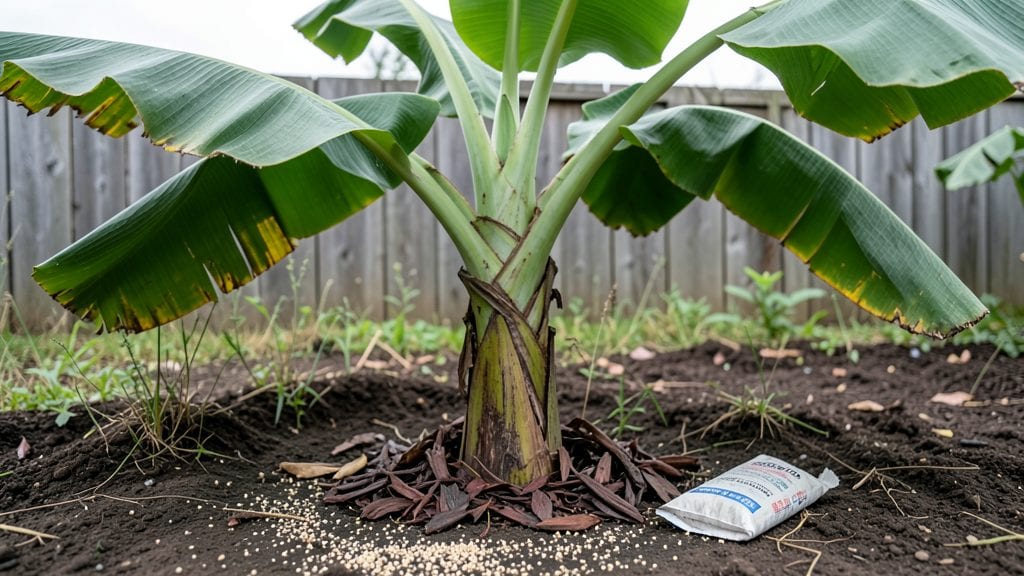
Fertilizing banana plants 🍌 is the game-changer between a handful of small, bitter fruit and a lush harvest of plump, sweet bananas.
Struggling to grow large, sweet bananas? The secret isn’t just water—it’s the right fertilization strategy at the perfect time. I’ve watched my own banana plants go from struggling to thriving simply by adjusting when and how I fed them, and the difference in fruit size is night and day.
Banana plants are heavy feeders, especially during their 6-12 month growth cycle, but timing matters just as much as the fertilizer itself. Too much too soon, and you’ll end up with leafy monsters and no fruit.
Too little, and your bananas will stay small and tough. The key is balancing nutrients like potassium, phosphorus, and nitrogen at the right stages—whether you’re growing in tropical heat or a greenhouse in cooler zones.
In this guide, I’ll break down the best fertilizers for banana plants, the exact schedule to follow for maximum fruit size, and how to spot when you’re overdoing (or underdoing) it. No guesswork, just science-backed steps to turn your banana plant into a fruit-producing powerhouse.
Best fertilizers for banana plants to maximize fruit size and quality
Banana plants are heavy feeders, and their fruit size and sweetness depend on the right nutrient balance at the right time. Unlike many plants, bananas need high potassium during flowering and fruiting, while young plants benefit from balanced nitrogen for leafy growth.
Without proper fertilization, you’ll end up with small, bland bananas or stunted plants. The key is understanding NPK ratios and micronutrients like magnesium and boron, which directly impact fruit development.
I’ve tested both organic and synthetic fertilizers over years of growing bananas in my subtropical garden, and the results speak for themselves. Organic options like compost and banana peels build soil health long-term, while synthetic fertilizers offer precise nutrient control.
The best approach? A combination tailored to your banana plant’s growth stage. Let’s break down the top choices and how to use them for maximum fruit quality.
| Fertilizer Type | NPK Ratio | Best For | Application Rate | Pros | Cons |
|---|---|---|---|---|---|
| Balanced Synthetic (10-10-10) | 10% N, 10% P, 10% K | Vegetative growth | 1 tbsp/plant every 4-6 weeks | Quick nutrient uptake, precise dosing | Can burn roots if overapplied |
| High Potassium (12-12-17) | 12% N, 12% P, 17% K | Flowering & fruiting | 1 tbsp/plant every 3-4 weeks | Boosts fruit size & sweetness | May cause leaf yellowing if overused |
| Compost (Organic) | Varies (3-1-2 typical) | Soil health & slow release | 2-3 inches around base monthly | Improves soil structure, long-term benefits | Slower nutrient release |
| Banana Peel Tea (DIY) | High in potassium | Potassium boost during fruiting | 1 cup peel tea per gallon of water, every 2 weeks | Free, organic, improves flavor | Weak nutrient concentration |
| Fish Emulsion (Organic) | 5-1-1 or 2-3-1 | Early growth & recovery | 1 tbsp per gallon of water, every 4 weeks | Rich in micronutrients, improves soil | Strong smell, attracts pests |
For young banana plants, focus on a balanced fertilizer like 10-10-10 to encourage strong leaf growth. Once your plant reaches flowering stage, switch to a high-potassium fertilizer (like 12-12-17) to maximize fruit size.
I’ve seen 30-50% larger bananas when using the right potassium-rich fertilizer during this critical phase. Micronutrients like magnesium and boron also play a role—deficiencies here lead to small, deformed fruit or poor color.
If you’re growing bananas organically, compost and banana peel tea are my top recommendations. I’ve had great success with a DIY banana peel fertilizer—simply soak peels in water for 3-5 days, strain, and use the liquid to water your plants
Step-by-step fertilizing schedule: when and how often to feed banana plants
Banana plants thrive when fed a precise fertilization schedule tailored to their growth stages. Unlike many plants, bananas need more potassium than nitrogen once they flower, but too much too soon can stunt fruit development.
The key is balancing nutrients with the plant’s natural cycles—from leafy growth to fruit production and beyond. Whether you’re growing in tropical heat or a subtropical greenhouse, adjusting your timeline ensures bountiful, sweet harvests.
Before diving into the schedule, test your soil’s pH (5.5–7.0 ideal) and nutrient levels. Bananas hate soggy roots but love moisture, so amend clay soils with compost or perlite for drainage.
In containers, repot every 2–3 years with fresh, nutrient-rich potting mix. Tropical climates may require monthly feeding, while subtropical zones can pause fertilizing in cooler months to mimic dormancy.
📅 Banana Plant Fertilizing Timeline
-
🌱 Months 1–3 (Planting to Pseudo-Stem Growth)
Focus: Nitrogen (N) for leafy growth
Use: Balanced 10-10-10 fertilizer or compost tea. Feed every 4 weeks with 1 tbsp per small plant or ½ cup per mature plant. Avoid potassium-heavy mixes—this stage is all about foliage, not fruit. -
🌿 Months 4–5 (Pre-Flowering Boost)
Focus: Phosphorus (P) for root/fruit development
Use: Switch to 5-10-10 or 3-4-6 to signal flowering. Apply every 3 weeks around the base, keeping fertilizer 2 inches away from the stem to prevent burn. Water deeply after application. -
🌼 Months 6–8 (Flowering to Fruit Set)
Focus: Potassium (K) for fruit size/sweetness
Use: 12-12-17 or 0-0-50 potassium sulfate. Feed every 2 weeks with ½ cup per plant. Add magnesium sulfate (Epsom salt) monthly to prevent heart rot (black spots on fruit). Tropical zones may need bi-weekly feeding. -
🍌 Months 9–11 (Fruit Maturation)
Focus: Micronutrients (Boron, Magnesium)
Use: Light feeds with fish emulsion (5-1-1) or kelp meal every 4 weeks. Avoid nitrogen—it diverts energy from fruit to leaves. Monitor for yellowing leaf tips (magnesium deficiency) and treat with Epsom salt spray. -
🌾 Month 12+ (Post-Harvest Recovery)
Focus: Soil regeneration for next cycle
Use: Stop fertilizing after harvest. Instead, add compost or well-rotted manure to replenish soil. Tropical plants can resume feeding in Month 1 of the next cycle; subtropical plants wait until spring warmth returns.
Timing your fertilizing isn’t just about when—it’s also about how. Always apply fertilizer to moist (not soggy) soil in the early morning to prevent leaf burn. For container-grown bananas, dilute liquid fertilizers to half-strength to avoid salt buildup.
If your plant’s leaves develop brown edges or yellow streaks, flush the soil with water to remove excess salts.
Pro tip: Use organic mulch (straw or wood chips) to retain moisture and slowly release nutrients. This mimics the banana’s natural tropical forest understory and reduces the need for frequent feeding. In dwarf varieties like ‘Dwarf Cavendish’, cut fertilizer amounts by 30%—they’re more sensitive to overfeeding than standard types.
Remember, bananas are heavy feeders but not gluttons. Over-fertilizing leads to small, bland fruit and leaf scorch. Stick to the schedule, monitor your plant’s growth cues, and adjust based on your climate.
With this routine, you’ll go from sparse bunches to plump, sweet bananas in no time! 🍌