Pruning
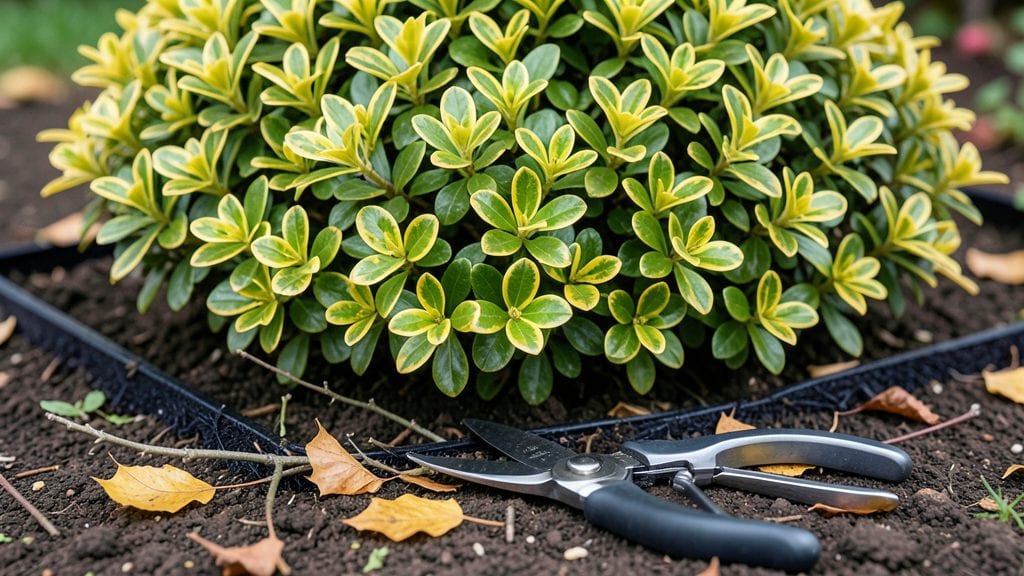
Pruning euonymus plants transforms them from scraggly to showstopping. ✨ I’ve pruned euonymus for years, and these three strategic cuts keep them dense, healthy, and full of vibrant foliage—no matter the season.
The key isn’t just when you cut but how you shape them to encourage new growth while maintaining their natural form.
The right tools and timing make all the difference. You’ll need sharp bypass pruners, a small saw for thicker stems, and a clear day to avoid spreading disease. Most pruning happens in late winter or early spring, but light shaping in summer keeps them looking polished.
For varieties like Euonymus alatus or Euonymus japonicus, the approach varies slightly—some need more aggressive renewal cuts, while others thrive with just a trim to open up the center.
By focusing on three key cuts—removing dead wood, thinning crowded branches, and shaping for airflow—you’ll end up with a euonymus that’s lush, disease-resistant, and the envy of the neighborhood.
The best part? It takes less than 30 minutes once you get the hang of it, and the results last all season.
Whether you’re dealing with a sprawling Euonymus fortunei hedge or a compact Euonymus radicans bush, these techniques adapt easily. Let’s get those shears out and turn your euonymus into a standout feature of your landscape—without the guesswork.
📚 In This Guide
- What you need
- Instructions
- Tips and common mistakes
- Wrapping up and next steps
What you need
- ● Pruning shears: Bypass pruners (for small branches, 4–6 inches long) – sharp and clean for precise cuts.
- ● Loppers: For thicker branches (½–1½ inches in diameter), with long handles for leverage.
- ○ Hand pruners (felco): Optional but handy for detailed trimming (anvil or bypass style).
- ● Disinfectant: 70% isopropyl alcohol or a pruning sealant (to prevent disease spread).
- ● Gloves: Heavy-duty gardening gloves (to protect from thorns or sap).
- ● Extension pole: If your euonymus is tall (10+ feet), a 3–5 ft. pole saw with pruners attached.
- ● Bucket or bag: For collecting clippings (1–2 gallon size).
- ● Ruler or tape measure: To check branch thickness and spacing (6–12 inches apart for airflow).
- ● Pruning saw: For very thick branches (1½+ inches) – fine-tooth blade for clean cuts.
- ● Plant tie or twine: To secure branches temporarily during shaping.
- ● Hose or spray bottle: To rinse tools/sealant residue off hands or tools.
- ● Notebook & pen: To sketch a pruning plan or track growth progress.
- ● Safety glasses: If working with large branches or near power lines.
Step-by-Step guide to pruning euonymus for year-round structure
Mastering euonymus pruning transforms this versatile shrub from wild to sculpted—here's how to shape it through all seasons.
✂️ Step 1: Late Winter Cleanup (Dormant Season)
Prune euonymus in late winter or early spring, just as buds begin to swell but before new growth starts. This is when the plant's energy is dormant but the structure is clearly visible. Start by removing any dead, diseased, or crossing branches at the base—these compete for nutrients and create weak entry points for pests.
Look for branches that grow inward or rub against each other; these will eventually tear bark and invite rot. Use clean, sharp pruners to make cuts at a 45-degree angle, about ¼ inch above an outward-facing bud. This angle helps water run off the cut, preventing rot. If you're shaping a hedge, step back frequently to check symmetry—euonymus responds well to structured cuts but resents uneven pressure.
✂️ Step 2: Summer Light Pruning (Growth Season)
After the initial spring prune, euonymus grows rapidly, and a mid-summer touch-up keeps it tidy without stressing the plant. Wait until June or July when new growth has hardened off but isn’t yet flowering. Focus on removing only the tips of leggy or overgrown branches—never cut more than ⅓ of the plant’s total foliage in one session.
Leggy growth appears as long, thin stems with sparse leaves. Pinch back these tips to encourage bushier, denser growth. For variegated varieties, avoid cutting into the colored foliage—this disrupts the plant’s natural pattern. If you notice any yellowing leaves, check for powdery mildew and prune those areas immediately to improve airflow and prevent spread.
✂️ Step 3: Fall Refining (Pre-Winter Prep)
Late summer to early fall is the time to refine shape and prepare for winter dormancy. Prune again in September or October, just before the first frost. This final cut removes any suckers (shoots growing from the base) and thins out crowded areas to prevent winter damage from snow or ice buildup.
Suckers are aggressive and can overtake the main plant if left unchecked. Cut them at the base with a clean slice. For larger branches, make the cut just above a lateral bud that points in the direction you want growth to continue. Avoid heavy pruning now—euonymus needs time to harden off before winter. If you’re growing a boxwood-style hedge, this is when you’ll achieve the crisp, clean lines that define its structure.
⏰ Step 4: Post-Prune Care (Year-Round Maintenance)
After each pruning session, clean your tools with rubbing alcohol to prevent disease spread. Water the plant deeply to help it recover, especially if you’ve made significant cuts. Euonymus is drought-tolerant once established, but new growth benefits from consistent moisture for the first 2-3 weeks after pruning.
Watch for new shoots emerging from old cuts—these are called "water sprouts" and should be pruned back in the following dormant season. Mulch around the base with 2-3 inches of organic mulch to retain moisture and regulate soil temperature. This step is critical for young plants or those recovering from heavy pruning. Over time, you’ll develop an eye for euonymus’s natural growth patterns, making each prune feel like a creative collaboration with the plant.
Tips & tricks for perfect euonymus pruning
A few strategic adjustments can turn your euonymus from overgrown to sculpted—here's how to elevate your pruning game.
Timing is Everything: The late winter/early spring window (just as buds swell) is non-negotiable for Step 1. Cold dormancy means less stress on the plant, but if you miss this, wait until fall—never prune during active growth. I learned this the hard way after seeing new growth sprout from late cuts, which weakened the plant for the season. For variegated varieties, this timing ensures you preserve those stunning foliage patterns.
The 45-Degree Angle Secret: That precise angle in Step 1 isn't just about aesthetics—it's about plant health. The sloped cut directs water away from the wound, preventing rot that can invite fungal infections. When making cuts, imagine the angle following the natural bark line. For larger branches, use a three-cut method: first undercut, then top-cut, and finally remove the branch cleanly. This prevents tearing that can damage the branch collar.
Seasonal Pruning Rules: In Step 2, that ⅓ foliage limit isn't arbitrary—it's based on euonymus's ability to regenerate. Cutting more stresses the plant, especially in summer when it's already pushing new growth. For hedges, I recommend a staggered approach: prune one side in June, the other in July. This prevents shock while maintaining symmetry. And always prune after flowering—euonymus sets next year's blooms on current season's growth.
Tool Maintenance Matters: The post-prune care in Step 4 isn't just about clean tools—it's about disease prevention. I keep a small bottle of 70% isopropyl alcohol in my gardening toolbox specifically for this purpose. After each session, I wipe down pruners with a paper towel soaked in the alcohol, then let them air dry completely. For larger pruning jobs, I use a dedicated pair of pruners for euonymus to prevent cross-contamination with other plants that might carry different pathogens.
Pro Tips for Euonymus Plant Pruning
- A few strategic adjustments can turn your euonymus from overgrown to sculpted—here's how to elevate your pruning game.
- Timing is Everything: The late winter/early spring window (just as buds swell) is non-negotiable for Step 1.
- The 45-Degree Angle Secret: That precise angle in Step 1 isn't just about aesthetics—it's about plant health.
Frequently asked questions
Got questions about pruning your euonymus? You’re not alone—this hardy shrub can be tricky if you’re new to trimming! Below, we’ve rounded up the most common questions (and answers) to help you prune with confidence.
When is the best time to prune euonymus for thick, bushy growth?
The ideal window is late winter or early spring (just before new growth starts). This encourages dense, healthy foliage. Avoid heavy pruning in fall—it can leave branches vulnerable to winter dieback. For light shaping, summer pruning is fine, but avoid cutting into old wood after late summer.
Can I prune euonymus in winter? What if it’s already dormant?
Yes, but lightly! Winter pruning (Dec–Feb) is safe for removing dead or damaged branches or cleaning up shape. Avoid heavy cuts—euonymus is semi-dormant in winter, and over-pruning can stress the plant. If you wait until spring, you’ll give it a better chance to bounce back with vigor.
How do I fix a euonymus that’s grown too leggy or sparse?
Revive a leggy euonymus with rejuvenation pruning: Cut back 1/3 of the oldest stems to the ground in early spring. This stimulates new growth from the base. For sparse areas, focus on thinning out crowded branches to improve airflow and sunlight penetration. Patience is key—it may take a season or two to fill out!
Do I need special tools for pruning euonymus? Can I use regular shears?
You can use bypass pruners or loppers for most jobs, but for thicker branches (over 1 inch), invest in sharp, clean pruning saws to avoid tearing bark. Disinfect tools with rubbing alcohol between cuts to prevent disease spread. Never use hedge trimmers for detailed shaping—euonymus has delicate stems!
What should I do if my euonymus bleeds sap after pruning?
Sap bleeding (a sticky, milky residue) is normal for euonymus but can attract pests. To minimize it, prune on a cool, cloudy day (not hot) and avoid cutting into large, mature branches. Once the sap dries, wipe it away with a damp cloth. If infestations occur, treat with horticultural oil or insecticidal soap.
Are there alternatives to pruning if my euonymus is overgrown?
If pruning feels overwhelming, consider gradual renewal or layering (propagating new plants from low-hanging branches). For extreme cases, you can dig up and divide the shrub in early spring, replanting sections. Just know that drastic changes may require a year or two to recover its shape!
Wrapping up and next steps
Mastering euonymus plant pruning is all about timing, technique, and a little patience—just like nurturing any beloved plant! 🌿 With the right tools and these three key cuts, you’ll keep your euonymus thriving year-round, whether you’re shaping it for beauty or health.
Now that you’re armed with the know-how, grab those shears and give your plant the TLC it deserves.
Ready to take it further? Experiment with different shapes or even propagate cuttings—your green thumb will thank you! 🌱