Pruning
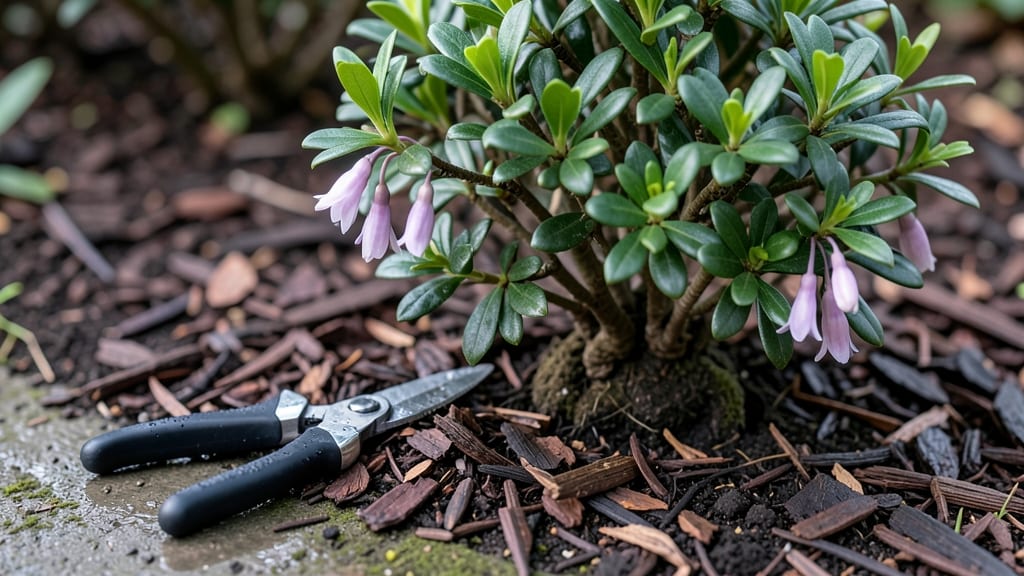
Pruning daphne plants with just two strategic cuts transforms your fragrant shrub from a tangled mess into a blooming powerhouse. ✨ I’ve turned my once-overgrown daphne into a showstopper using this exact method—no fancy tools or years of experience required.
The key is timing: a light trim right after flowering and a deeper cut in late winter, both done with sharp shears and a steady hand.
You’ll need only three things: clean pruning shears, a pair of gloves, and a clear morning to work. Daphne’s woody stems can be stubborn, so I recommend cutting back no more than one-third of the plant at a time.
The goal isn’t to reshape dramatically—it’s to encourage next year’s blooms by removing spent growth and opening the center to sunlight.
After pruning, your daphne will reward you with denser foliage and even more fragrant flowers next season. The secret’s in the cuts: always prune just above a leaf bud or lateral branch, and avoid cutting into old wood.
Within weeks, you’ll see fresh green shoots pushing through, signaling the plant’s renewed energy.
This method works for all daphne varieties, from the compact Daphne odora to the taller Daphne mezereum. Whether you’re dealing with a mature shrub or a young plant, these two cuts keep daphne thriving for decades. Let’s get those shears ready!
📚 In This Guide
- What you need
- Instructions
- Tips and common mistakes
- Wrapping up and next steps
What you need
- ● Bypass pruning shears – Sharp, clean, and sterilized (1 pair). Avoid anvil shears—they can crush stems.
- ● Hand pruners – For smaller branches (1 pair). Look for ergonomic handles for comfort.
- ● Garden gloves – Thick, cut-resistant (1 pair). Daphnes have thorns!
- ● Disinfectant (70% isopropyl alcohol or bleach solution) – To sterilize tools and prevent disease spread.
- ○ Pruning saw (optional but helpful) – For thicker stems (>1/2 inch). A fine-tooth saw works best.
- ● Rubbing alcohol or hydrogen peroxide (3%) – For cleaning cuts and tools mid-prune.
- ● Small trash bag or bucket – To collect pruned branches and debris.
- ● Pruning sealant (wound dressing) – For large cuts (>1 inch) to prevent sap loss.
- ● Loppers – If your Daphne has very thick branches (rare but possible!).
- ● Notebook & pen – To sketch your plant’s shape before pruning (great for beginners!).
- ● Knee pad or stool – For comfort if your Daphne is tall or ground-level.
Step-by-step instructions for daphne plant pruning
Two strategic cuts keep your daphne blooming beautifully year after year.
✂️ Step 1: Prune After Spring Blooms Finish
Wait until all flowers have dropped completely—this is your cue that the plant has finished its spring display. Using sharp pruning shears, cut back each spent flower stem to the first set of healthy leaves below the bloom. This encourages new growth and prevents leggy stems from forming.
I always prune on a dry morning when the plant is fully hydrated. Daphne responds best to clean cuts—no jagged edges that invite disease. If you see any dead or crossing branches, remove those too. You'll know you've pruned correctly when the plant looks fuller and more compact within weeks.
✂️ Step 2: Light Summer Trim for Airflow
About 6-8 weeks after the spring pruning, give your daphne a second, lighter trim. Focus on removing any stems that are growing too long or crowded. Cut these back by about one-third to maintain the plant's natural shape and improve airflow.
This second cut prevents overcrowding and helps the plant develop stronger, more vibrant blooms next season. I like to step back and look at the plant from all angles—anything that disrupts the balanced shape gets trimmed. Avoid cutting into old wood, as daphne doesn't regrow from mature stems.
⏰ Step 3: Avoid Fall and Winter Pruning
Here's the thing—daphne needs its winter dormancy. Never prune in fall or winter, as this removes next year's flower buds that form during this period. Your two pruning sessions should always occur after spring blooms and mid-summer, never when the plant is preparing for dormancy.
If you accidentally prune too late, don't panic. Just wait until spring to assess any damage. Daphne is forgiving, but timing is everything for those stunning spring flowers. I've seen people over-prune in fall and end up with no blooms the next year—don't make that mistake.
🌿 Step 4: Post-Pruning Care
After pruning, give your daphne a good drink of water to help it recover. The plant will focus its energy on new growth, so keep the soil consistently moist but not soggy. A balanced fertilizer applied in early spring can boost bloom production for next year.
Watch for new growth emerging from the pruned areas within 3-4 weeks. This is your sign that the plant is responding well. If you notice any yellowing leaves or weak stems, it might need more sunlight—daphne thrives in partial shade to full sun but can scorch in intense afternoon heat.
Tips & tricks for perfect daphne plant pruning
These simple strategies will help you maximize your daphne's beauty with minimal effort—no pruning experience required.
Timing is Everything: The 6-8 week window between spring pruning and your summer trim is crucial. I mark my calendar right after spring blooms finish so I don't miss this opportunity. If you're unsure when to prune, check for new growth—when you see fresh leaves appearing, that's your cue for the second trim. This timing ensures you're shaping the plant when it's actively growing, not during dormancy.
The Technique That Changed Everything: Always make your cuts at a 45-degree angle just above a leaf node or bud. This simple angle prevents water from pooling on the cut and reduces the risk of disease. I keep my pruning shears clean with rubbing alcohol between cuts—it makes all the difference in keeping your daphne healthy. Remember, daphne doesn't regrow from old wood, so always cut back to fresh growth.
Visual Cue for Success: After your spring pruning, you should see new growth emerging from the pruned areas within 3-4 weeks. If you don't see any new leaves appearing, your cuts might have been too severe or in the wrong place. Don't worry—just give it time. The plant might be conserving energy, but it's still working on recovery.
Post-Pruning Care: The first 24 hours after pruning are critical. Give your daphne a thorough watering to help it recover, but avoid overwatering—soggy soil can lead to root rot. I always check the soil moisture by sticking my finger about an inch deep; if it feels dry, it's time to water. This consistent moisture helps the plant focus its energy on new growth rather than stressing over dry conditions.
Pro Tips for Daphne Plant Pruning
- These simple strategies will help you maximize your daphne's beauty with minimal effort—no pruning experience required.
- Timing is Everything: The 6-8 week window between spring pruning and your summer trim is crucial.
- The Technique That Changed Everything: Always make your cuts at a 45-degree angle just above a leaf node or bud.
Frequently asked questions
Got questions about keeping your Daphne looking its best? You’re not alone! Here are some of the most common concerns—and how to tackle them like a pro.
When is the best time to prune Daphne plants?
Prune your Daphne right after flowering (late spring to early summer) to encourage new growth. Avoid heavy pruning in fall or winter, as this can damage tender stems. A light tidy-up in late winter (if needed) is fine, but never prune during active bloom—you’ll cut off next year’s flowers!
Can I prune Daphne too much? What happens if I overdo it?
Yes! Over-pruning can stress your Daphne, leading to fewer blooms or even dieback. Stick to removing only dead, diseased, or overcrowded branches—never trim more than 1/3 of the plant’s foliage at once. If you’ve already pruned too much, don’t panic: give it time, water deeply, and fertilize lightly to help it recover.
Will pruning my Daphne affect next year’s flowers?
Pruning after flowering is key to preserving next year’s blooms. Daphne flowers form on new wood, so cutting back too early (before blooms fade) can reduce—or even eliminate—future blossoms. Think of it like a haircut: timing is everything! For winter-flowering varieties, prune immediately after blooming to shape without sacrificing flowers.
What if my Daphne isn’t blooming? Could pruning help?
If your Daphne skips blooms, it might be overcrowded, underfed, or pruned at the wrong time. Try these fixes:
- Thin out dense growth to improve airflow.
- Fertilize with acidic, high-phosphorus food in early spring.
- Ensure it gets 6+ hours of sunlight daily.
- Check for pests or disease (like aphids or powdery mildew).
Can I propagate Daphne from pruned cuttings?
Semi-hardwood cuttings (taken in early summer) root well in a mix of perlite and peat moss. Dip the cut end in rooting hormone, plant in a pot, and keep humid and warm (70–75°F). Avoid direct sun until roots establish—usually in 4–6 weeks. Just remember: Daphne can be fussy, so patience pays off!
Wrapping up and next steps
Pruning your daphne plant doesn’t have to be intimidating—just a couple of strategic cuts can keep it thriving year-round! 🌿 With the right timing, tools, and techniques, you’ll enjoy fragrant blooms and lush foliage for seasons to come. Now’s the perfect moment to grab those shears and give your daphne the care it deserves!
💡 Your Next Step:
- Mark your calendar for spring and post-bloom pruning sessions.
- Keep an eye on your plant’s growth—adjust timing if needed!
- Celebrate those fresh, vibrant stems as your reward! 🌸