
Picking
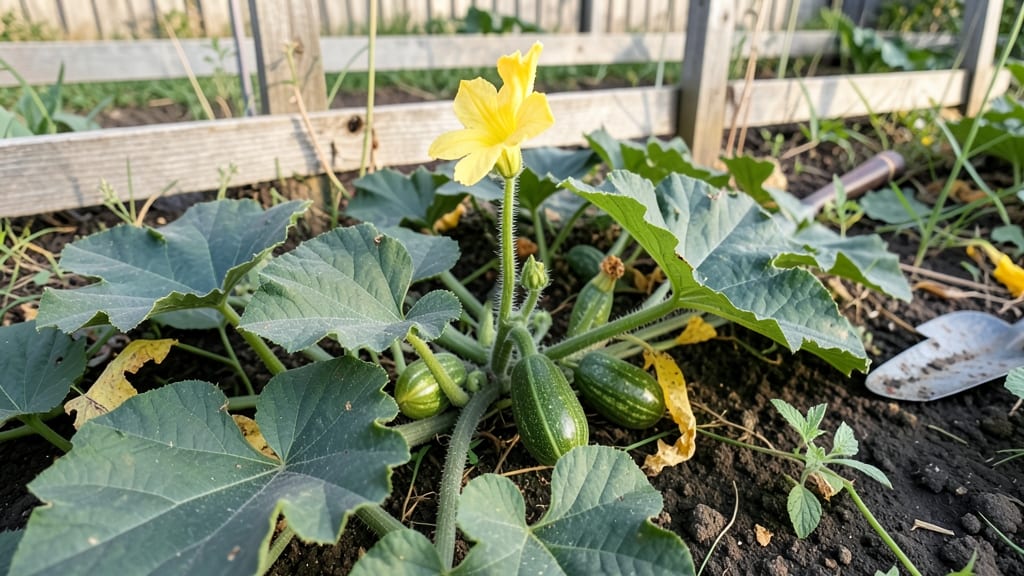
Planting crookneck squash means summer harvests of those tender, curved fruits—if you nail the spacing and sunlight from day one. 🌿 I learned the hard way that cramming plants too close leads to powdery mildew and stunted growth, but the right setup turns a patch of soil into a vine-covered treasure trove.
The secret lies in warm soil, full sun, and giving those sprawling vines room to breathe. You’ll need a spot that gets at least 6-8 hours of sunlight daily, well-draining soil mixed with compost, and patience—these plants take 50-60 days to mature.
Start seeds indoors 2-3 weeks before your last frost or sow directly when soil hits 60°F, and keep seedlings watered but not soggy.
By midsummer, you’ll watch those vines stretch and leaves fan out, each plant producing 2-3 squash at a time. The key is thinning seedlings to 3-4 feet apart in rows spaced 4-5 feet apart—this prevents disease and lets fruits grow straight and plump.
Early care is simple: consistent water at the base, mulch to retain moisture, and a watchful eye for pests.
Works in zones 3-11, though southern gardeners may need shade cloth in peak heat. Whether you’re a first-timer or a seasoned grower, these spacing secrets cut down on problems and up the harvest. Let’s get those seeds in the ground!
📚 In This Guide
- What you need
- Instructions
- Tips and common mistakes
- Wrapping up and next steps
What you need
- ● Crookneck squash seeds: 3–5 seeds per plant (or 1–2 seeds per hill if planting in groups). Choose heirloom or hybrid varieties like Early Prolific or Straightneck.
- ● Well-draining soil: Loamy, fertile soil with a pH of 6.0–7.0. Amend with compost (2–3 inches mixed into the top 6–12 inches of soil).
- ● Sunlight: Full sun (6–8+ hours of direct sunlight daily).
- ● Water: Consistent moisture (1–1.5 inches per week, especially during flowering and fruiting).
- ● Planting site: Spacious area (vines spread 3–5 feet; space plants 2–3 feet apart in rows 4–5 feet apart).
- ○ Stakes or trellis (optional but helpful): 4–6 foot tall stakes or a sturdy trellis to support vines if space is limited.
- ● Garden gloves – Protect your hands while handling soil or vines.
- ● Mulch (straw or black plastic) – Retains moisture and suppresses weeds.
- ● Fertilizer (balanced 10-10-10 or compost tea) – Boosts growth during the season.
- ● Pruning shears – For trimming excess vines or removing yellow leaves.
- ● Row covers or shade cloth – Protects young plants from pests or excessive heat.
- ● Plant markers – Helps track varieties if growing multiple types.
Step-by-Step instructions for planting crookneck squash
Here’s how I plant these sprawling vines for maximum yield—no guesswork, just proven spacing and timing.
🌱 Step 1: Choose the Perfect Planting Site
Crookneck squash thrives in full sun, so pick a spot that gets at least 6-8 hours of direct sunlight daily. I avoid low-lying areas where cold air settles—these vines hate frost and even a light chill can stunt growth. Test your soil’s pH first; crookneck squash prefers 6.0-7.0. If your soil is heavy clay, mix in 2-3 inches of compost to improve drainage before planting.
Here’s the thing—these plants spread wide, so give them room. For 4 plants, allocate a 6-foot diameter circle or a 10-foot row length. If you’re growing in containers, each plant needs a 15-gallon pot with sturdy trellis support—more on that later. I always sketch a rough layout first to avoid overcrowding.
🌿 Step 2: Prepare the Soil and Plant Seeds
Two weeks before planting, loosen the soil to a depth of 12 inches with a broadfork or tiller. Break up any compacted layers—squash roots need to dive deep for nutrients. Work in 1 cup of 5-10-10 fertilizer per plant into the top 6 inches of soil. This gives seedlings a strong start without burning tender roots.
Plant seeds 1 inch deep and 2-3 inches apart in hills. A hill is just a small mound of soil—this improves drainage and warms the soil faster. For 4 plants, create 2 hills with 2 seeds each, spaced 3-4 feet apart. Water gently after planting to settle the soil, but don’t drown the seeds. You’ll see sprouts in 7-14 days—wait until the first true leaves appear before thinning.
⏰ Step 3: Thin Seedlings and Train Vines
Once seedlings have 2-3 true leaves, thin to the strongest plant per hill. Use sharp scissors to snip weak stems at soil level—this prevents disease spread from damaged roots. I always keep the most vigorous seedling, the one with deep green leaves and a thick stem. The others go into the compost bin.
Crookneck squash vines sprawl aggressively, so train them early. If growing in rows, space plants 3-4 feet apart to prevent leaf diseases caused by poor airflow. For container growers, install a 5-foot trellis at planting and gently weave vines upward as they grow. This saves space and makes harvesting easier. Watch for male flowers first—they appear before female flowers, which have tiny squash at their base.
☀️ Step 4: Water and Feed for Maximum Yield
Water deeply 2-3 times per week, aiming for 1-1.5 inches of water per week. Shallow watering stresses plants and leads to bitter fruit. I water at the base in the morning to let foliage dry before evening—this prevents powdery mildew. Mulch with 2 inches of straw to retain moisture and suppress weeds. Avoid wetting leaves when possible.
Feed plants with ½ cup of 10-10-10 fertilizer when vines reach 2 feet long, then again when flowers appear. I also side-dress with 1 cup of compost mid-season. The key is balanced nutrition—too much nitrogen makes leaves grow at the expense of fruit. You’ll know you’re doing it right when vines spread 4-5 feet and female flowers appear 3-4 weeks after planting.
✂️ Step 5: Harvest and Prune for Continuous Production
Harvest squash when they’re 6-8 inches long and the skin is hard and dull-colored. Use a sharp knife to cut stems—never pull fruit, or you’ll damage the vine. I pick every 2-3 days to encourage more production. If squash overmatures, it becomes tough and seedy. For 4 plants, expect 8-12 squash per season if harvested consistently.
Prune old or diseased leaves immediately to improve airflow. I also trim back any vines that grow beyond the trellis to redirect energy to fruit production. Stop harvesting 2 weeks before your first frost—this lets plants store energy for next year’s crop. Save seeds from the best squash by letting 1-2 fruit per plant mature fully on the vine.
Tips & tricks for perfect crookneck squash planting
These sun-loving vines reward patience with bountiful harvests—but only if you nail the spacing and timing. Here's what I've learned after years of trial and error to ensure your crookneck squash thrives.
Sunlight Strategy: While 6-8 hours of sunlight is the minimum, I've found that positioning your plants to capture morning sun (when it's cooler) and afternoon shade (when it's hottest) actually increases yield. The vines handle the heat better and produce more female flowers—where the squash develops. Place taller plants to the north of your squash hills to provide natural shade during peak afternoon hours. This simple adjustment can mean the difference between 8 and 12 squash per plant.
Soil Preparation Secret: The 12-inch deep soil loosening in Step 2 is non-negotiable, but here's what nobody tells you—focus on creating vertical channels rather than just turning the soil. Use a broadfork to make vertical slits every 6 inches. This creates pathways for roots to grow deeper without competing with surface roots. I also add a handful of coarse sand to the bottom of each planting hole if my soil is particularly dense—this improves drainage without altering the overall soil structure.
Thinning Technique: When thinning seedlings in Step 3, I wait until they have 3-4 true leaves rather than just 2-3. This gives you more time to identify the strongest seedling. Look for plants with the darkest green leaves and most vigorous stems—these are your winners. The extra day or two makes all the difference in establishing robust plants that can handle the sprawling growth ahead. Don't be afraid to be ruthless with thinning—crowded seedlings lead to weak, disease-prone plants.
Container Growing Hack: For those growing in 15-gallon pots, here's my pro move: place a 3-inch layer of gravel at the bottom of the pot before adding soil. This creates an air pocket that prevents root rot while still allowing excess water to drain. I also install the 5-foot trellis vertically along the side of the pot rather than sticking it in the center—this gives the vines more surface area to climb and prevents them from toppling over as they grow. The key is to weave the vines through the trellis as they grow rather than trying to train them later.
Pro Tips for Crookneck Squash Planting
- These sun-loving vines reward patience with bountiful harvests—but only if you nail the spacing and timing.
- Sunlight Strategy: While 6-8 hours of sunlight is the minimum, I've found that positioning your plants to capture morning sun (when it's cooler) and afternoon shade (when it's hottest) actually increases yield.
- Soil Preparation Secret: The 12-inch deep soil loosening in Step 2 is non-negotiable, but here's what nobody tells you—focus on creating vertical channels rather than just turning the soil.
Frequently asked questions
Got questions about growing crookneck squash? You’re not alone! Here are answers to the most common queries to help you plant with confidence and avoid pitfalls.
When is the best time to plant crookneck squash?
Plant crookneck squash after the last frost when soil reaches at least 60°F (15°C). For warm climates, direct-sow seeds in early spring; cooler regions benefit from transplanting starter plants. Use black plastic mulch to warm soil faster if needed. Avoid planting too early—cold soil can stunt growth or invite rot.
How far apart should I space crookneck squash plants?
Space vines 2–3 feet apart in rows 3–4 feet apart to allow airflow and prevent disease. Crooknecks sprawl, so give them room to sprawl or train them on trellises if space is tight. Overcrowding leads to powdery mildew or poor fruit development. Pro tip: Thin seedlings to the strongest plant per spot!
Why aren’t my crookneck squash vines flowering?
Lack of flowers? Check these fixes:
- Heat stress: Squash needs warm days (75–90°F) and cool nights (50–70°F) to pollinate. Shade cloth can help in extreme heat.
- Poor pollination: Hand-pollinate by transferring pollen with a paintbrush if bees are scarce.
- Nutrient deficiency: Add compost or balanced fertilizer (10-10-10) at planting and mid-season.
Can I grow crookneck squash in containers?
Yes! Choose a large container (at least 12–15 gallons) with drainage holes. Use a lightweight potting mix and support vines with a trellis. Limit to 1–2 plants per container to avoid competition. Containers dry out faster—water deeply 2–3 times weekly in hot weather.
How do I prevent squash bugs and pests?
Squash bugs are sneaky! Monitor plants daily and squish eggs (tiny orange clusters on undersides of leaves). Use row covers early to block adults. For organic control, spray neem oil or introduce beneficial nematodes. Remove and destroy infested vines immediately to stop spread.
What can I plant near crookneck squash for companion planting?
Pair crooknecks with:
- Nasturtiums (repel pests)
- Marigolds (deter squash bugs)
- Beans or peas (fix nitrogen in soil)
Wrapping up and next steps
Growing crookneck squash is a rewarding journey—packed with sunshine, patience, and delicious results! 🌞 With the right spacing secrets, fertile soil, and a dash of care, your vines will flourish, gifting you with sweet, tender squash straight from your garden.
Now that you’re armed with spacing know-how and troubleshooting tips, it’s time to roll up your sleeves and plant with confidence.
Ready to dive in? Start by prepping your garden beds this week—your future harvest will thank you! For extra inspiration, check out our guide on companion planting to maximize your garden’s potential. Happy growing! 🌱