
Blooming
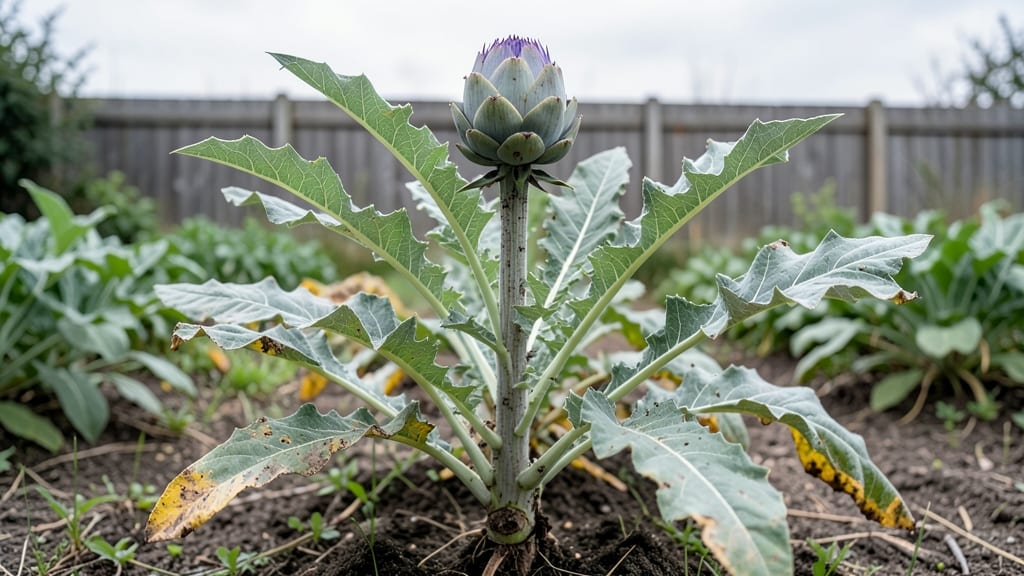
Artichoke plant bloom transforms your garden from ordinary to extraordinary—those fuzzy purple buds are edible gold if you know when and how to harvest them. ✨ I’ve spent three seasons perfecting the timing, and the difference between bitter, overmature artichokes and tender, tightly closed buds comes down to two things: recognizing the right stage and giving the plant just enough support without smothering it.
The key to maximizing blooms starts with sunlight—artichokes demand full sun (6+ hours daily) and soil that drains like a well-washed sponge. Too much water or shade, and you’ll end up with leggy plants and sparse buds.
I’ve found that mounding soil around the base (about 2 inches high) keeps moisture consistent and encourages stronger stems—exactly what you need before those first fuzzy buds appear in late spring.
Once buds form, the magic happens in the 24-48 hours before harvest. That’s when they’re at peak tenderness, with tight, compact scales that snap cleanly when pinched.
A single plant can produce dozens of harvests if you trim spent blooms back to the next set of buds—no fancy tools, just sharp scissors and a watchful eye. The first harvest feels like winning the lottery: crisp, slightly nutty, and impossible to resist.
This method works year-round in zones 7-10, with staggered plantings to keep blooms coming. Even in cooler climates, a cold frame or row cover extends the season. The payoff? A pantry stocked with homegrown artichokes that taste nothing like the canned versions—and neighbors who’ll beg for your secrets.
📚 In This Guide
- What you need
- Instructions
- Tips and common mistakes
- Wrapping up and next steps
What you need
- ● Artichoke plants: 3–5 globe or French green varieties (e.g., 'Green Globe' or 'Imperial Star') per 100 sq. ft. of garden space. Choose healthy, disease-free starts or seeds.
- ● Well-draining soil: 1 bag (40 lb) of compost or organic matter per 10 sq. ft. to enrich soil. Aim for a pH of 6.0–7.0.
- ● Fertilizer: 1 lb of balanced 10-10-10 fertilizer (for planting).
- ● 1 lb of low-nitrogen fertilizer (5-10-10) during bloom season (spring/summer).
- ● Mulch: 2–3 inches of straw or wood chips to retain moisture and suppress weeds.
- ● Watering system: Drip irrigation kit (recommended) or a watering can with a 1-gallon capacity.
- ○ Soaker hose (optional, for larger gardens).
- ● Pruning tools: 1 pair of sharp bypass pruners (for trimming blooms and leaves).
- ● 1 pair of gardening gloves (to protect from thorns and sap).
- ● Support stakes: 4–6 ft bamboo stakes or tomato cages per plant (if growing tall varieties).
- ● Epsom salt: 1 tbsp per plant monthly (boosts magnesium for vibrant blooms).
- ● Row covers: Lightweight fabric to protect young plants from frost (if extending the season).
- ● pH test kit: To monitor soil acidity and adjust as needed.
- ● Organic pest control: Neem oil spray (for aphids or spider mites).
How to encourage artichoke blooms for a bountiful harvest
Here's how I coax artichokes into flowering like clockwork—no guesswork, just reliable blooms.
🌱 Step 1: Start with Healthy, Established Plants
Artichokes thrive when you begin with strong, mature plants. If starting from seed, plant them in early spring after the last frost, spacing them 3-4 feet apart in well-draining soil with full sun exposure. I always choose globe artichoke varieties like 'Green Globe' or 'Imperial Star'—they’re the most reliable for home gardens.
If using nursery plants, transplant them in early spring, ensuring the root ball stays intact. Water deeply right after planting to settle the soil and encourage root growth. The first year focuses on establishing a robust root system—you won’t harvest much, but you’ll set the stage for next year’s blooms.
💧 Step 2: Water Deeply and Consistently
Artichokes need 1-2 inches of water per week, but they hate soggy roots. I water deeply 2-3 times per week, soaking the soil to a depth of 12 inches. Let the top 1-2 inches of soil dry out between waterings—this prevents rot while keeping roots hydrated.
Mulch around the base with 2-3 inches of organic mulch (like straw or shredded leaves) to retain moisture and regulate soil temperature. This is especially critical in hot climates, where water evaporates quickly. Overhead watering can spread disease, so always water at the base.
☀️ Step 3: Provide Full Sun and Fertilize Strategically
Artichokes crave 6-8 hours of direct sunlight daily. If your garden gets less, supplement with a grow light for 12-14 hours per day during short winter days. I place my plants in the sunniest spot in the garden—this is non-negotiable for blooming.
Fertilize lightly in early spring with a balanced 10-10-10 fertilizer, then switch to a low-nitrogen, high-phosphorus formula (like 5-10-10) once buds form. Too much nitrogen leads to leafy growth at the expense of flowers. I side-dress with compost mid-season to boost soil fertility without overfeeding.
✂️ Step 4: Trim and Prune for Better Blooms
Pruning is where the magic happens. Remove any yellow or damaged leaves as soon as you spot them—this keeps energy flowing to new growth. When buds form, watch closely: artichoke buds are fuzzy and purple-green, about the size of a golf ball. Once they reach 2-3 inches in diameter, trim off any smaller buds to encourage the largest, healthiest blooms.
Pinch back the tips of new growth in early summer to promote bushier plants with more flower stalks. I also remove any side shoots that form at the base—these sap energy from the main plant. After harvesting, cut back spent stalks to 6-8 inches above the ground to encourage a second flush of blooms in late summer.
🌿 Step 5: Protect and Extend the Harvest Season
Artichokes bloom best in cool spring or fall weather. If your summers are scorching, provide afternoon shade with a lightweight shade cloth to prevent stress. I also protect plants from pests like artichoke plume moths by handpicking eggs or using neem oil spray as a preventive measure.
To extend the harvest, plant a second crop in late summer for a fall harvest. With proper care, a single plant can produce 6-10 artichokes per season. Harvest buds when they’re tight but still firm—squeeze gently to test. If the base gives slightly, it’s ready. Cut stalks with a sharp knife, leaving 1-2 inches of stem attached.
Tips & tricks for perfect artichoke blooms
Here's what I've learned after years of growing artichokes—these tricks make all the difference between a few sad buds and a bountiful harvest.
Sunlight Secret: In Step 3, when you're providing those crucial 6-8 hours of sun, pay special attention to morning light. Artichokes need that early sunlight to kickstart their blooming process. If your garden gets afternoon shade, supplement with a grow light for 2-3 hours in the morning during cloudy days. I've found that even partial shade in the afternoons can delay blooming by 2-3 weeks.
Pruning Precision: When you're trimming those 2-3 inch buds in Step 4, use sharp, clean pruners to avoid damaging the plant. I always sterilize my pruners with rubbing alcohol between cuts to prevent spreading disease. The key is to make clean cuts just above a leaf node—this encourages new growth and more flower stalks. Don't be afraid to be aggressive with your pruning; artichokes respond well to regular maintenance.
Watering Wisdom: For Step 2's watering routine, I've discovered that morning watering is best—it gives the plants all day to absorb moisture before evening. In hot climates, I water twice daily: once in the early morning and again in the late afternoon. The goal is to keep that 12-inch soil depth consistently moist but never soggy. A simple soil probe test works wonders—just stick a screwdriver into the soil; if it comes out clean, it's time to water.
Fertilizer Timing: When switching to that low-nitrogen 5-10-10 fertilizer in Step 3, apply it right when you see those fuzzy purple-green buds forming. This is when the plant needs phosphorus most to support flower development. I've found that side-dressing with compost every 4-6 weeks during the growing season gives an extra boost without overfeeding. Too much nitrogen at this stage will give you leafy greens instead of artichokes!
Pro Tips for Artichoke Plant Bloom
- Here's what I've learned after years of growing artichokes—these tricks make all the difference between a few sad buds and a bountiful harvest.
- Sunlight Secret: In Step 3, when you're providing those crucial 6-8 hours of sun, pay special attention to morning light.
- Pruning Precision: When you're trimming those 2-3 inch buds in Step 4, use sharp, clean pruners to avoid damaging the plant.
Frequently asked questions
Got questions about nurturing your artichoke plant’s bloom and maximizing your harvest? You’re not alone! Here are some of the most common queries—plus straightforward answers to keep your garden thriving.
How do I know when my artichoke plant is ready to bloom?
Artichoke plants typically bloom in their second year, producing bright purple or blue flowers (called buds) that resemble thistle blooms. Look for tight, compact buds about the size of a golf ball—this is your cue to harvest before the flower fully opens. If left unchecked, the bud will turn fuzzy and bitter!
Why isn’t my artichoke plant blooming this year?
Artichokes are biennials, meaning they often skip blooming in their first year while focusing on leafy growth. If it’s the second year and still no buds, check these factors:
- Sunlight: Needs 6+ hours of full sun daily—shady spots delay blooming.
- Soil: Poor drainage or cold, heavy soil can stunt growth. Amend with compost!
- Fertilizer: Over-fertilizing with nitrogen promotes leaves, not buds. Use a low-nitrogen, high-phosphorus blend instead.
Patience is key—some varieties bloom late (even into fall)!
How often should I trim artichoke buds to encourage more blooms?
Trim regularly (every 2–3 weeks) to stimulate new buds. Use clean shears to snip the bud just below the base, leaving a small stem. Avoid over-trimming—never remove more than 1/3 of the plant’s foliage at once, or you’ll stress the roots. Pro tip: Harvest in the morning for the freshest, crispest buds!
Can I grow artichokes indoors, or do they need outdoor conditions?
Artichokes are outdoor plants and thrive best in USDA Zones 7–10 with warm, sunny conditions. However, you can start them indoors 8–10 weeks before the last frost, then transplant outside. If you’re in a cooler climate, grow them in large containers and bring them inside during frost. Just know: indoor blooming is rare—they need outdoor pollinators and sunlight to produce buds reliably.
What pests or diseases should I watch for during the blooming phase?
Common threats include:
- Artichoke plume moth: Larvae burrow into buds, causing them to rot. Handpick or use neem oil as a preventative spray.
- Fungal diseases (like powdery mildew): Caused by humid, crowded conditions. Space plants 2–3 feet apart and water at the base to keep foliage dry.
- Aphids: Suck sap from buds, weakening them. Blast off with water or introduce ladybugs for natural control.
Always remove damaged buds immediately to prevent spread!
Wrapping up and next steps
Watching your artichoke plant bloom into a thriving, year-round harvest is incredibly rewarding! 🌱 With the right tools, timing, and trimming techniques, you can enjoy fresh, homegrown artichokes for months. Remember, consistency is key—regular pruning and attentive care will keep your plant productive and healthy.
Now that you’re armed with expert tips, why not take the next step? Start small—pick a sunny spot in your garden, gather your supplies, and begin trimming with confidence. Soon, you’ll be savoring the fruits of your labor, one delicious artichoke at a time! 💪