
Pruning
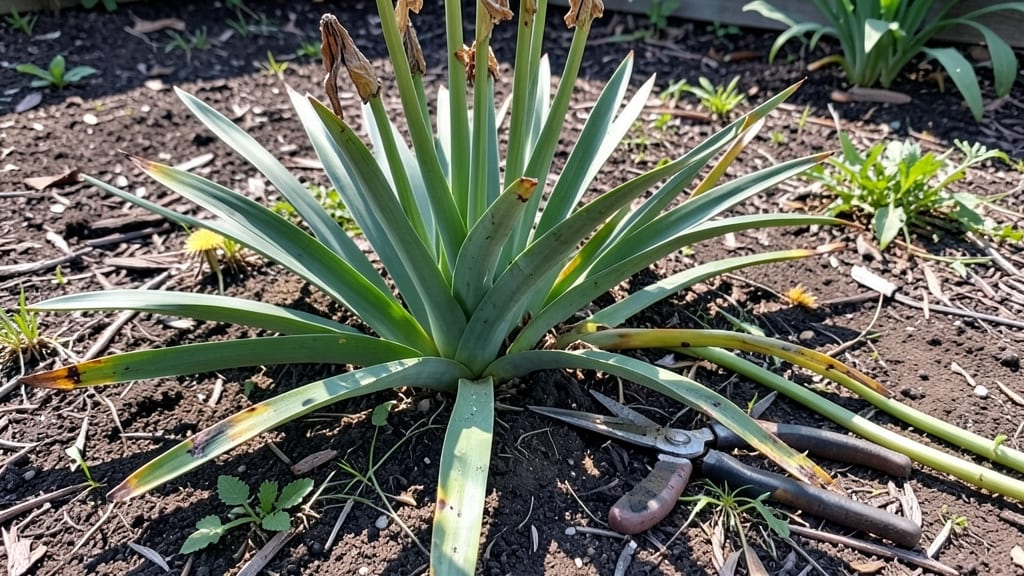
Pruning agapanthus plants isn't rocket science—just two well-timed cuts can keep them blooming like crazy all season. ✨ I’ve been growing these dramatic blue spikes for years, and the difference between a pruned plant and one left to its own devices is night and day.
The first cut clears out spent blooms, while the second encourages fresh growth that’ll reward you with even more flowers next year.
The secret lies in timing and technique. You’ll need sharp pruners and a sunny morning to work—agapanthus hate wet cuts. Most people overthink it, but the process is straightforward: cut back the flower stalks after they’ve faded, then trim any leggy growth in early spring.
This keeps the plant compact and focused on producing those stunning blooms instead of flopping over.
By following these two simple steps, you’ll end up with a bushier, healthier plant that blooms longer and harder. The foliage stays vibrant, the stems stay strong, and you’ll have more flowers to enjoy—or share with neighbors who’ll be green with envy.
The best part? You’ll spend less time wrestling with overgrown stalks and more time admiring the results.
Works for both container-grown plants and those in the ground, and it’s foolproof even for beginners. Once you see how much easier pruning makes caring for agapanthus, you’ll wonder why you didn’t do it sooner. Let’s get those shears out and get to work!
📚 In This Guide
- What you need
- Instructions
- Tips and common mistakes
- Wrapping up and next steps
What you need
- ● Pruning shears or secateurs: Sharp, bypass-style (not anvil) for clean cuts. Size: 5–7 inches, with stainless steel blades. Quantity: 1 pair.
- ● Garden gloves: Heavy-duty, nitrile-coated (for thorns and sharp edges). Quantity: 1 pair.
- ● Disinfectant (70% isopropyl alcohol or bleach solution): 1:9 bleach-to-water ratio. Quantity: Small spray bottle or cloth.
- ○ Pruning saw (optional): For thick, woody stems. Size: 8–10 inches.
- ● Garden twine or plant ties: To secure stems if pruning heavily.
- ● Compost bin or bag: For disposing of pruned debris.
- ● Hose with nozzle: To rinse tools and clean cuts.
- ● Knee pads or stool: For comfort if your agapanthus is tall!
- ● Choose a dry, overcast day (or early morning) to avoid stressing the plant.
- ● Wear protective eyewear if your agapanthus has sharp leaves.
- ● Check local pruning guidelines—some regions recommend winter pruning for agapanthus.
Instructions for pruning agapanthus to keep them blooming year after year
Two strategic cuts are all it takes to keep your agapanthus thriving and flowering like crazy.
✂️ Step 1: Deadhead Spent Blooms After the First Flowering Season
As soon as the flowers fade and turn brown, snip the entire flower stalk at its base with clean, sharp pruners. I always cut just above the first set of healthy leaves to avoid damaging the plant’s energy storage. This prevents seed production, which drains the plant’s resources and can reduce next year’s blooms.
Timing is key here—wait until the flowers are completely brown and crispy, but don’t delay too long. If you leave them too late, the stalks may become woody and harder to cut cleanly. A quick check every few weeks after flowering ensures you catch them at the perfect moment.
✂️ Step 2: Cut Back Foliage in Late Winter or Early Spring
Once the threat of frost has passed and new growth begins to peek through the soil, it’s time for the second cut. I wait until the ground warms to at least 50°F before pruning, as cold snaps can shock the plant. Using sharp pruners, trim all the old foliage down to about 2-3 inches above the ground.
This may look drastic, but trust me—it’s what your agapanthus needs to focus its energy on producing strong, vibrant new growth. The plant stores energy in its rhizomes, and cutting back the old leaves allows sunlight to reach the center, encouraging bushier, healthier regrowth. You’ll see fresh shoots emerging within a few weeks.
🌱 Step 3: Monitor and Adjust for Continuous Blooming
For agapanthus that rebloom later in the season, repeat the deadheading process after the second flush of flowers. Watch for new flower stalks forming and snip them off as soon as they fade. This keeps the plant from wasting energy on seed production and encourages more blooms.
If your agapanthus starts to look leggy or overcrowded, you can also thin out some of the older stems in late winter. Focus on removing the thickest, most woody stalks to make room for newer, more vigorous growth. Just be sure to leave enough foliage to protect the plant from harsh weather.
☀️ Step 4: Provide the Right Conditions After Pruning
After pruning, give your agapanthus plenty of sunlight—at least 6-8 hours of direct sun daily. This helps the plant recover quickly and encourages strong, healthy growth. Water deeply after pruning to help the plant establish new roots, but avoid overwatering, as soggy soil can lead to rot.
I like to add a light layer of mulch around the base of the plant to retain moisture and keep the roots cool. This is especially helpful in hot climates where the soil can dry out quickly. With the right care, your agapanthus will reward you with stunning blooms year after year.
Tips & tricks for pruning agapanthus to keep them blooming year after year
Here's what nobody tells you about keeping your agapanthus thriving with minimal effort.
The Timing Secret: In Step 1, those "completely brown and crispy" flowers are your cue—but don't wait too long! After about 3-4 weeks post-flowering, stalks can become woody and difficult to cut cleanly. I set a reminder every 2 weeks after blooming to check my plants. This consistency ensures I catch them at the perfect moment for clean cuts that won't damage the plant's energy reserves.
Tool Tip: Sharp pruners are non-negotiable for clean cuts that heal properly. I keep a dedicated pair just for my agapanthus and sharpen them annually. For Step 2's dramatic cut-back, I use the same pruners but angle the blade slightly to avoid tearing the leaves. A quick wipe with rubbing alcohol between cuts prevents spreading any potential plant diseases.
Visual Cue: When you're waiting for that 50°F ground temperature in Step 2, look for these signs: fresh green shoots poking through the soil and the first warm days where nighttime temps stay above freezing. I test by placing my hand on the soil for 10 seconds—if it feels comfortably warm, it's time to prune. This simple touch test has never failed me.
Aftercare Strategy: That 6-8 hours of sunlight isn't just about blooms—it's about recovery. After your dramatic winter pruning, I recommend placing a small reflective surface (like a white plastic tray) near the plant for the first week. This doubles the sunlight exposure and helps the new growth establish faster. Just remove it after a week to avoid overheating.
Pro Tips for Agapanthus Plants Pruning
- Here's what nobody tells you about keeping your agapanthus thriving with minimal effort.
- The Timing Secret: In Step 1, those "completely brown and crispy" flowers are your cue—but don't wait too long!
- Tool Tip: Sharp pruners are non-negotiable for clean cuts that heal properly.
Frequently asked questions
Got questions about pruning your agapanthus?
Here are answers to the most common concerns—so you can keep your plants thriving with minimal effort!
When is the best time to prune agapanthus?
Prune agapanthus after flowering in late summer or early fall (August–September) to remove spent blooms and shape the plant. A second, lighter trim in early spring (March–April) helps encourage fresh growth. Avoid pruning in winter, as cold stress can harm the plant.
What if I prune at the wrong time?
Pruning too early (before blooms fade) can cut off next year’s flower buds. If you prune in winter or early spring, you risk damaging new growth or exposing the plant to frost. Don’t stress—agapanthus are hardy! Just adjust your timing next year, and they’ll bounce back.
How short can I cut agapanthus?
You can trim agapanthus down to 6–12 inches tall after flowering to maintain shape or rejuvenate older plants. For a dramatic look, cut back 1/3 of the plant’s height—but avoid over-pruning, as this may reduce next season’s blooms. Always use clean, sharp shears!
Will pruning make my agapanthus bloom more?
Yes! Pruning after blooming removes spent flowers and redirects energy to new growth and flower buds for next season. For maximum blooms, avoid heavy pruning in spring—focus on shaping and removing dead foliage instead.
My agapanthus leaves turned brown after pruning—what went wrong?
Brown leaves after pruning usually mean over-cutting or stress. If you trimmed too aggressively, the plant may struggle to recover. Water deeply and avoid fertilizing until new growth appears. If the damage is severe, prune lightly next time and focus on mulching to protect roots.
Wrapping up and next steps
Pruning your agapanthus doesn’t have to be intimidating—just a couple of strategic cuts can keep your plants thriving and blooming beautifully year after year! 🌸 By focusing on late winter/early spring and post-flowering trims, you’ll encourage healthier growth, prevent overcrowding, and enjoy stunning flowers for seasons to come.
Now that you’re armed with the right techniques, grab those shears and give your agapanthus the care it deserves.
Ready to take the next step? Start small: Pick one plant to practice on, and soon you’ll be a pruning pro! For extra inspiration, snap a before-and-after photo of your progress—your garden (and future blooms) will thank you. 🌿