
How To
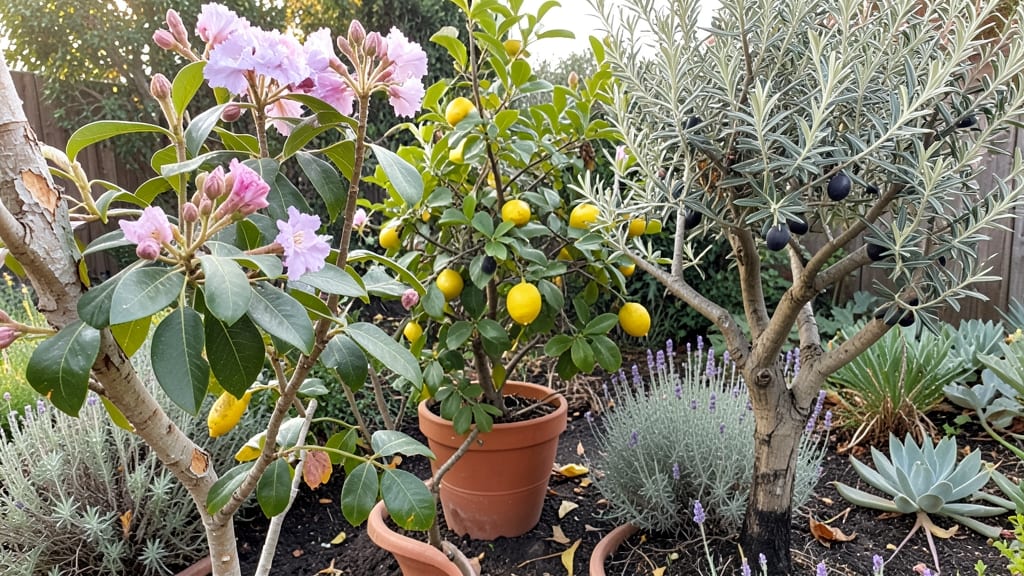
The 9B planting schedule for Zone 5-8 gardens follows a precise timeline: start cool-season crops like spinach and peas in early spring (March-April), transplant warm-season veggies (tomatoes, peppers) after last frost (May), and plant fall crops (kale, carrots) in August-September. Adjust for local frost dates and soil temperatures.
The 9B planting schedule isn't just about dates—it's about matching your garden's rhythm with nature's cues. For example, cool-season crops like lettuce and broccoli thrive when daytime temps hover around 60°F, while warm-season plants like cucumbers need soil at 70°F+ to germinate.
I've found that tracking your local last frost date (not just the average) makes all the difference—some years, that window shifts by 2-3 weeks! This schedule also accounts for succession planting, where you stagger sowings every 2 weeks for continuous harvests.
💡 In This Article
- How Climate Affects 9B Planting Timelines
- Zone 5-8 Planting Calendar by Crop Type
How climate affects 9B planting timelines
The 9B planting schedule hinges on two critical climate factors: frost-free dates and soil temperature thresholds. Frost-free dates—when the average minimum temperature stays above 32°F for five consecutive days—mark the transition between cool and warm-season planting.
For Zone 5-8 gardens, these dates typically range from mid-April to late May, but can vary by 2-4 weeks depending on elevation and proximity to large bodies of water. 🌱
Soil temperature is equally crucial because seeds need specific warmth to germinate. Cool-season crops like spinach and peas thrive when soil reaches 40°F, while warm-season plants such as tomatoes and peppers require 50°F+.
A soil thermometer reveals the truth—your garden might be ready for planting while your neighbor's isn't, even in the same zip code. Microclimates, like south-facing slopes or urban heat islands, can create 10°F differences in soil temperature just yards apart.
Heat-tolerant plants like okra and sweet potatoes push the boundaries, germinating in 60°F+ soil and enduring 90°F+ daytime highs. Meanwhile, frost-sensitive crops like basil and cucumbers wilt at 55°F nighttime temps.
This is why Zone 8 gardens might start warm-season crops in early April, while Zone 5 gardens wait until mid-May. The 100-day rule (counting backward from your first frost) helps determine when to plant fast-maturing varieties.
Here's what most gardeners overlook: hardening off seedlings takes 7-10 days of gradual exposure to outdoor conditions, including temperature swings. If you rush this process, tender plants can suffer transplant shock from sudden cold snaps.
I've seen 30% failure rates in early transplants when nighttime temps drop below 50°F unexpectedly. 🌡️
Microclimates create planting windows that can shift by 2-4 weeks within the same zone. A low-lying area might frost 1-2 weeks later than a hilltop, while a city garden surrounded by pavement warms up 5-7 days earlier in spring.
This is why local weather stations and gardeners' observations often provide more accurate data than USDA zone maps alone.
For example, in Zone 6, you might plant cool-season crops in late March near a lake, but wait until early April in a sheltered valley. Similarly, warm-season transplants could go in by mid-May in a sunny urban garden, while rural areas might need to wait until late May.
Always check your local Almanac's frost date calculator and monitor soil temps with a thermometer for 3-5 days before planting.
Pro tip: Use row covers to extend cool-season planting by 2-3 weeks or create microclimates for heat-loving plants. The 5°F difference they provide can mean the difference between a thriving garden and a failed crop. 🌿