
Pests
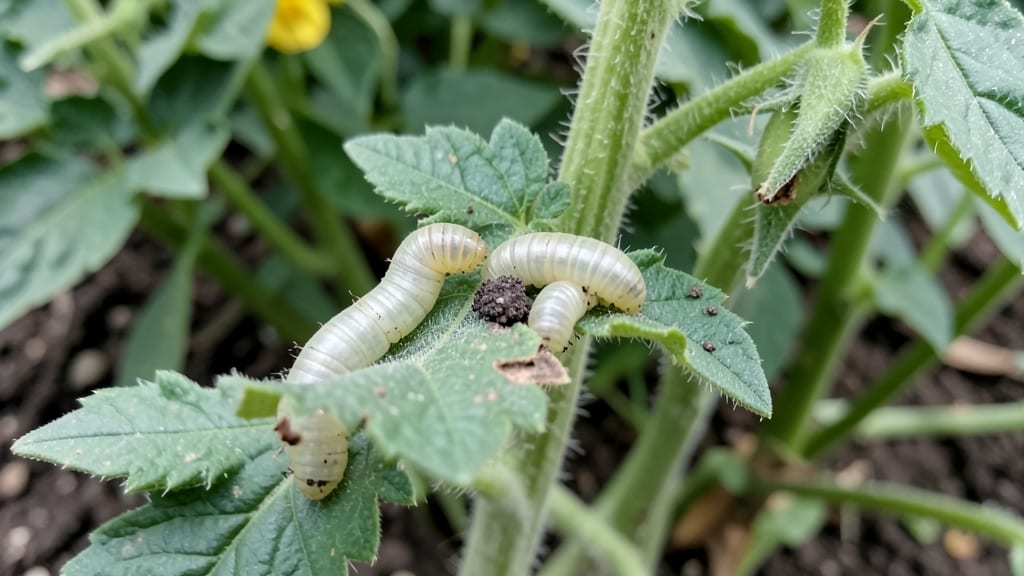
Worms on tomato plant leaves can turn your lush vines into a caterpillar buffet faster than you think. 🌱 I’ve seen entire plants skeletonized overnight—until I learned to spot the damage early and act fast. The key is knowing which worm is munching (hornworms? Cutworms?) and what they leave behind.
Most gardeners assume worms mean chemical sprays, but the real fix starts with identifying the culprit. Hornworms leave jagged holes and green droppings, while cutworms chew clean circles at night. Once you recognize the pattern, you can choose targeted solutions—no harsh pesticides needed.
By the time you finish these 3 simple steps, your plants will bounce back with fewer holes and more tomatoes. We’re talking less damage, more fruit, and a garden that actually thrives instead of just surviving.
The best part? These methods work whether you’re dealing with a single leaf or a full-blown infestation.
No more guessing what’s eating your harvest—just clear, actionable fixes that protect your plants without harming the ecosystem. Let’s get those leaves back in shape before the worms win another round.
The Hidden Triggers Behind Leaf Worms
Worms tunneling through your tomato plant leaves aren’t just random bad luck—they’re usually a sign of specific conditions your garden is providing. Understanding these triggers helps you stop the problem before it spreads. Here’s why these tiny pests show up in the first place.
Tomato plants under stress are like buffets for leaf-eating worms. When plants are overcrowded, they compete for sunlight, water, and nutrients, weakening their natural defenses. Common stress factors include:
- Poor spacing: Tomato plants need at least 18–24 inches between stems (or rows) to avoid shading and airflow issues. Crowded plants trap moisture, creating a humid microclimate that attracts worms like hornworms and beet armyworms.
- Nutrient deficiencies: Yellowing leaves (chlorosis) or stunted growth signal a lack of nitrogen, phosphorus, or potassium. Weak plants can’t produce enough alkaloids (natural toxins) to deter pests.
- Water stress: Both overwatering (root rot) and drought weaken plants. Overwatered soil fosters fungal diseases, while drought-stressed plants release sugars that attract pests.
💡 Pro Tip: Space plants properly and mulch with straw or grass clippings to retain moisture without creating soggy conditions. A balanced 5-10-10 fertilizer (or compost tea) can boost plant resilience.
Worms don’t randomly appear—they’re drawn to your tomato plants because of what’s growing around them. Many leaf-munching pests, like tomato fruitworms or cabbage loopers, thrive on a buffet of host plants. Common culprits:
- Nightshade family plants: Eggplants, peppers, and potatoes share the same pests as tomatoes. If these grow nearby, worms will migrate between them.
- Weeds like nightshade or black nightshade: These act as pest reservoirs. A single weed can harbor hundreds of eggs before your tomatoes even show signs of damage.
- Basil or other herbs: Some herbs (like basil) attract beneficial predators, but others may unintentionally lure pests if planted too close.
🌡️ Action Step: Remove weeds within 10 feet of your tomato patch. If possible, interplant with marigolds or nasturtiums—these repel pests naturally.
Most leaf-eating worms thrive in warm, humid conditions. If your garden feels like a tropical rainforest—thanks to poor airflow or excessive moisture—you’re basically inviting a worm party. Key factors:
- Temperature: Worms like hornworms and beet armyworms are most active when daytime temps hit 75–85°F (24–29°C). Cooler mornings slow them down, but heatwaves speed up their life cycles.
- Humidity: High moisture levels (from overhead watering or dense foliage) keep eggs and larvae hydrated. Tomato hornworm eggs hatch in 3–5 days in humid conditions vs. 10+ days in dry air.
- Nighttime dew: Dew on leaves provides a perfect landing pad for moths to lay eggs. Cutworms, for example, are most active under these conditions.
✨ Prevention Hack: Water deeply at the base in the morning (not overhead) to reduce humidity on leaves. Prune lower branches to improve airflow, especially in dense tomato varieties like Roma or Celebrity.
Worms don’t disappear—they overwinter in garden debris, soil, or plant residues. If you didn’t clean up last season, you’re giving them a head start. Common hiding spots:
- Old plant debris: Dried tomato leaves, stems, or fallen fruit can harbor pupae or diapausing eggs (eggs that wait for the right conditions to hatch).
- Compost piles: If your compost is too hot or not turned regularly, pests survive and reinfest your garden.
- Soil buildup: Compacted or unamended soil lacks beneficial microbes that naturally suppress worm populations.
🔥 Cleanup Checklist:
- Remove all plant debris from the bed (don’t compost infested material—bag it for the trash).
- Till the top 6 inches of soil in fall to expose overwintering pests to predators or cold.
- Rotate crops: Don’t plant tomatoes in the same spot yearly (wait 3 years to break pest cycles).
How to solve it
Finding worms or larvae munching on your tomato leaves can feel like a nightmare, but don’t panic—most infestations are manageable with the right approach. The key is to act fast and target the root cause, whether it’s slugs, cutworms, or tomato hornworms.
Below are practical, step-by-step solutions tailored to the most common culprits, plus prevention tips to keep your plants thriving.
These massive, striped caterpillars can devour a tomato plant overnight. Here’s how to evict them:
- 👨🍳 Handpick them—Check leaves daily (especially at dawn or dusk) and drop hornworms into soapy water. They’re easy to spot thanks to their bright green color and white diagonal stripes.
- 🔪 Introduce natural predators—Encourage birds, wasps (like Cotesia congregata), and parasitic flies by planting nearby flowers like dill, fennel, or marigolds.
- 🌿 Use neem oil or Bacillus thuringiensis (Bt)—Spray Bt (a bacteria-based pesticide) on leaves to kill larvae without harming beneficial insects.
💡 Pro Tip: Hornworms love tomato plants but hate the smell of garlic or chili pepper sprays. Mix 1 chopped garlic clove + 1 tbsp cayenne pepper in a gallon of water, strain, and spray leaves weekly.
These nocturnal pests leave behind silvery slime trails and irregular holes. Combat them with:
- 🥘 Beer traps—Bury a shallow container (like a yogurt cup) filled with beer near the plant. Slugs crawl in and drown.
- 🌡️ Copper barriers—Wrap copper tape around pots or create a ring in the soil. The electric-like shock deters slugs.
- 🎯 Diatomaceous earth (DE)—Sprinkle food-grade DE around the base of plants (avoid touching leaves). It dehydrates slugs but is harmless to humans and pets.
✨ Prevention Hack: Water plants in the morning instead of evening. Slugs thrive in damp conditions and avoid dry soil.
These pale, looped caterpillars hide in soil by day and slice stems at night. Stop them with:
- 🌙 Flashlight inspections—Shine a light at dusk to spot cutworms on stems. Drop them into soapy water immediately.
- 🍎 Collar young plants—Wrap the base of seedlings with cardboard tubes or toilet paper rolls to block cutworms from gnawing.
- 💪 Beneficial nematodes—Apply Steinernema carpocapsae nematodes to soil. These microscopic worms seek out and kill cutworm larvae.
🔥 Emergency Fix: If stems are already severed, bury the cut end in soil to encourage regrowth. Keep the plant well-watered and stake it for support.
An ounce of prevention is worth a pound of cure. Try these long-term strategies:
- 🌿 Rotate crops—Avoid planting tomatoes in the same spot yearly to disrupt pest life cycles.
- 🍅 Interplant with repellents—Grow basil, oregano, or nasturtiums near tomatoes to confuse pests.
- 🌡️ Maintain garden hygiene—Remove fallen leaves, weeds, and debris where pests hide. Mulch with straw (not grass clippings) to deter slugs.
- 🕰️ Time your planting—Start seedlings indoors and transplant after the last frost to give plants a head start before pests arrive.
💡 Bonus Tip: Row covers (fine mesh fabric) over young plants block adult moths and beetles from laying eggs. Remove when flowers appear to allow pollination.
Frequently asked questions
What are the most common worms eating my tomato leaves?
The top culprits are hornworms (bright green with white stripes), cutworms (pale, looped caterpillars), and beet armyworms (small, brown striped larvae). Slugs and snails also leave telltale slime trails. Identifying the worm helps you choose the right treatment—handpicking works for hornworms, while beer traps target slugs.
Are these worms harmful to my tomato plants?
Yes, severe infestations can defoliate plants and reduce fruit yield. Hornworms, for example, can strip a plant bare in 24 hours. While small amounts of damage are manageable, large populations stress plants and make them vulnerable to disease. Early intervention is key to protecting your harvest.
How do I know if the damage is from worms vs. disease?
Worm damage is irregular with visible holes or chewed edges, while disease often shows as brown spots or yellowing without clear bite marks. Check the undersides of leaves—worms leave droppings (frass) and sometimes hide there. If you see silvery slime trails, it’s likely slugs, not disease.
Can I use chemical pesticides on my tomato plants?
While chemical pesticides work, they harm beneficial insects and can leave residues on fruit. Organic alternatives like Bacillus thuringiensis (Bt) or neem oil are safer. For severe cases, use pyrethrin-based sprays sparingly and only at dusk to protect bees. Always follow label instructions carefully.
Will removing the worms help my plant recover?
Handpicking worms and removing damaged leaves gives your plant a chance to regrow. Prune heavily chewed foliage to redirect energy to new growth. Keep the plant well-watered and fertilize lightly with balanced 10-10-10 to help it bounce back faster. Recovery depends on how much foliage remains—plants can survive with just a few leaves.