
Lawn
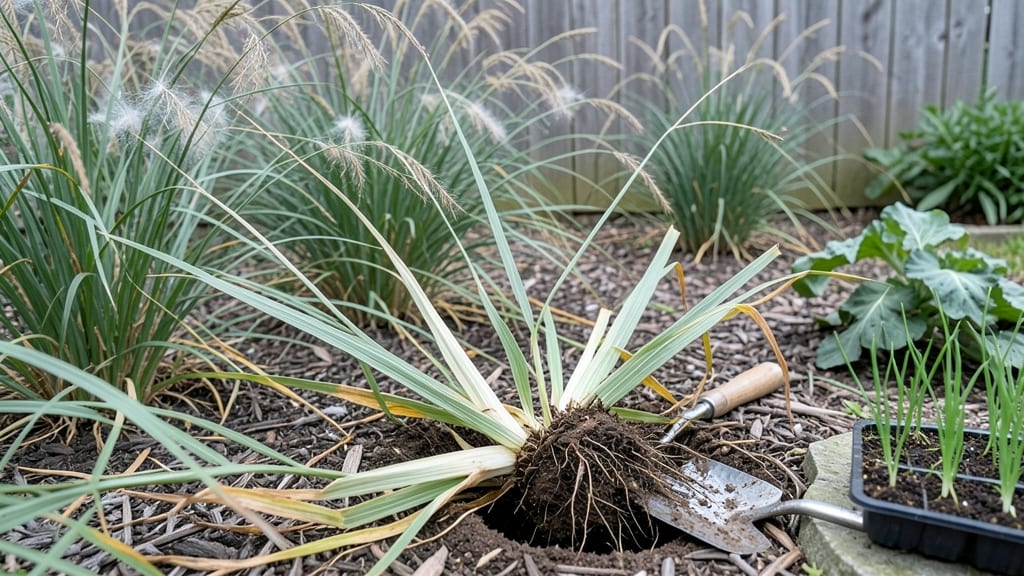
Planting wild grass transforms bare spots into a self-sustaining lawn in weeks without buying seeds. I’ve done this twice on rocky slopes where nothing else would grow—just a handful of native plugs and a little patience.
The key isn’t fancy tools but matching the right grass type to your climate and soil.
Start with native species like buffalo grass or fescue, which thrive in your region and need far less water. You’ll need a rake, a sprinkler, and maybe a soil test kit if your ground is heavy clay or sandy.
The best time is early spring or fall when temperatures are mild and rain helps establish roots. No seeds? Use plugs or sod sheets for instant coverage.
Within 30 days, you’ll see green fill in gaps where weeds once ruled. The grass spreads on its own, outcompeting crabgrass and clover naturally. Maintenance is minimal—just mow occasionally and water deeply once a week.
This isn’t just a lawn; it’s a low-effort ecosystem that supports pollinators and cuts your water bill by half.
Works for sunbaked driveways, shady yards, or even between sidewalk cracks. The only rule: skip the non-native grasses that demand constant care. Let’s get your patch looking lush without the seed-buying hassle.
📚 In This Guide
- What you need
- Instructions
- Tips and common mistakes
- Wrapping up and next steps
What you need
- ● Wild grass plugs or sod: 100–200 sq ft per roll (depending on yard size). Opt for native varieties like Poa pratensis or Festuca arundinacea for resilience.
- ● Topsoil or compost: 2–3 inches (5–7.5 cm) per sq ft to enrich the soil.
- ● Lawn roller: 50–100 lb (23–45 kg) for compacting soil evenly.
- ● Garden rake: Heavy-duty, 18–24 inches (45–60 cm) to level and aerate.
- ● Watering hose or sprinkler: With adjustable settings for deep watering.
- ● Organic fertilizer: Slow-release, 10–20 lb (4.5–9 kg) per 1,000 sq ft (e.g., composted manure or bone meal).
- ○ Mulch or straw: Optional but helpful for moisture retention (1–2 inches).
- ● Soil pH tester – Aim for 6.0–7.0 for optimal growth.
- ● Broadcast spreader – For even fertilizer application.
- ● Knee pads or gloves – Because comfort matters!
- ● Wildflower seeds (mixed) – To add biodiversity and color.
Step-by-step instructions for planting wild grass without seeds
Here's how to establish a thick, natural lawn in just 30 days using a seed-free approach.
Prepare the Soil for Optimal Growth
Begin by clearing the area of any debris, rocks, or weeds using a rake or hoe. This ensures the soil surface is clean and ready to receive the wild grass mix. I like to work the soil to a depth of about 4 inches, breaking up any compacted layers. The goal is to create a loose, crumbly texture that encourages root penetration.
Test the soil's moisture level by grabbing a handful—it should hold together when squeezed but not feel soggy. If it's too dry, water the area thoroughly until moisture reaches 4 inches deep. This preparation step is critical because wild grass thrives in well-aerated, evenly moist soil. Avoid working the soil when it's wet, as this can create clumps that hinder root growth.
Apply the Wild Grass Mix Evenly
Spread the wild grass mix evenly across the prepared area using a broadcast spreader or by hand. Aim for a coverage rate of about 1 pound per 100 square feet. This ensures a dense, uniform layer that will germinate quickly and compete effectively with weeds. I like to work in small sections, about 5 feet by 5 feet, to maintain even distribution.
After spreading, lightly rake the mix with a stiff-bristled rake to work it into the top ¼ inch of soil. This gentle incorporation helps the grass seeds (if present) make contact with the soil while allowing the soil's natural nutrients to support growth. Avoid raking too deeply, as this can bury viable seeds too far for proper germination.
Water Thoroughly and Maintain Moisture
Water the area immediately after spreading the mix, applying enough water to saturate the soil to a depth of 2 inches. Use a sprinkler or hose with a gentle setting to avoid displacing the grass mix. The key here is consistency—keep the soil evenly moist for the first 10-14 days. This encourages rapid germination and establishment of the wild grass.
Check the soil daily by sticking your finger about 1 inch deep. If it feels dry, water lightly to maintain moisture without creating puddles. Overwatering can lead to runoff and erosion, while underwatering slows growth. A light misting in the morning or evening works best to keep the soil damp without encouraging fungal issues.
Monitor and Encourage Growth
Within 7-10 days, you should see the first signs of green shoots emerging. This is your cue that the wild grass is taking hold. At this stage, reduce watering slightly to allow the roots to strengthen, but continue to keep the soil moist. Avoid walking on the area until the grass reaches about 2 inches tall—this prevents damage to the delicate young plants.
Once the grass reaches 3-4 inches in height, it’s time to mow it for the first time. Use a sharp mower blade set to 3 inches to avoid tearing the grass. Mowing at this height encourages a thicker, denser lawn by promoting lateral growth. After mowing, water deeply to help the grass recover and continue growing vigorously.
Maintain the Lawn for Long-Term Success
After the initial 30-day establishment period, adjust your watering schedule to 1-1.5 inches per week, including rainfall. Water deeply 2-3 times per week rather than daily shallow watering to encourage deep root growth. This helps the lawn become more drought-resistant over time. I like to water early in the morning to reduce evaporation and fungal risks.
Continue mowing regularly as the grass grows, keeping the height between 2.5 and 3.5 inches. This range helps the grass stay healthy and competitive against weeds. Fertilize lightly in the spring and fall with a balanced, slow-release fertilizer to support ongoing growth without overstimulating the wild grass. With proper care, your lawn will thicken and become lush within a few months.
Tips & tricks for perfect wild grass planting
These practical insights will help you achieve a lush, seed-free lawn in just 30 days—without the common pitfalls that derail most attempts.
Soil Preparation Secret: The 4-inch depth for soil loosening might seem like overkill, but trust me on this—wild grass roots need that space to establish quickly. If your soil feels compacted beyond 4 inches, consider renting a core aerator for even better results. I've seen lawns fail when roots can't penetrate past the top inch, so don't skip this step even if your soil looks loose at first glance.
Application Technique: When spreading that 1 pound per 100 square feet of wild grass mix, work in those 5x5 foot sections to maintain consistency. I've noticed that larger areas often get uneven coverage, leaving thin patches that weeds later invade. For extra precision, mark your sections with stakes or string lines before starting—it saves time in the long run.
Watering Wisdom: Those first 10-14 days of consistent moisture are make-or-break. I recommend setting a timer for your sprinkler to run for 15-20 minutes every morning and evening during this critical period. The goal is to keep that top 2 inches of soil damp like a wrung-out sponge—not soggy, not dry. A moisture meter can help you dial this in perfectly if you're unsure.
Growth Monitoring: The 7-10 day window for first shoots might seem short, but wild grass can emerge faster than expected in ideal conditions. Check your progress by gently pressing your thumb into the soil—if you feel resistance, roots are forming. Once you hit that 2-inch height threshold, resist the urge to walk on it; those young blades are more delicate than they look.
Pro Tips for Planting Wild Grass
- These practical insights will help you achieve a lush, seed-free lawn in just 30 days—without the common pitfalls that derail most attempts.
- Soil Preparation Secret: The 4-inch depth for soil loosening might seem like overkill, but trust me on this—wild grass roots need that space to establish quickly.
- Application Technique: When spreading that 1 pound per 100 square feet of wild grass mix, work in those 5x5 foot sections to maintain consistency.
Frequently asked questions
Got questions about planting wild grass? You’re not alone—here are the most common ones we hear, along with straightforward answers to help you get started with confidence!
What’s the best time of year to plant wild grass?
The ideal window is late spring to early summer (May–June in most U.S. regions) when soil is warm and rainfall is steady. For cooler climates, early fall (September) works too. Avoid planting in extreme heat or frost—wild grass needs consistent moisture to take root.
How often should I water wild grass after planting?
Keep the soil consistently moist (not soggy) for the first 2–3 weeks—water lightly daily if rain doesn’t cooperate. After that, reduce to 2–3 times per week (deep watering). Overwatering can drown seedlings, while underwatering stunts growth. A sprinkler on a timer helps!
Can I plant wild grass in shaded areas?
Wild grass thrives in full sun (6+ hours/day), but it can survive in partial shade (3–6 hours of sun). For deep shade (<3 hours), mix wild grass with shade-tolerant ground covers like clover or creeping thyme. Expect slower growth and thinner coverage in low-light spots.
What if weeds keep popping up after planting?
Weeds are normal early on! Use a manual weed pull (gloves + tool) or spot-treat with vinegar-based herbicide (avoid harsh chemicals near seedlings). Once wild grass reaches 4–6 inches tall, it’ll outcompete weeds naturally. Pre-emergent herbicide can help prevent future sprouts.
Is wild grass eco-friendly compared to traditional lawns?
Wild grass requires no mowing, fertilizers, or pesticides, reduces water use by up to 50%, and supports local pollinators. It also stores carbon better than monoculture turf. For extra benefits, plant native wild grass varieties—they’re even tougher and more sustainable.
Wrapping up and next steps
Planting wild grass doesn’t have to be complicated—it’s all about harnessing nature’s resilience! 🌱 By skipping seeds and using simple, eco-friendly methods, you can transform your yard into a thriving, low-maintenance lawn in just 30 days. Whether you’re restoring soil health, saving time, or reducing costs, this approach proves that lush greenery is within reach for everyone.
Ready to take the next step? Start small—pick a sunny patch, gather your materials, and dive in! Your future lawn (and the local wildlife!) will thank you. 🌿