
Trees
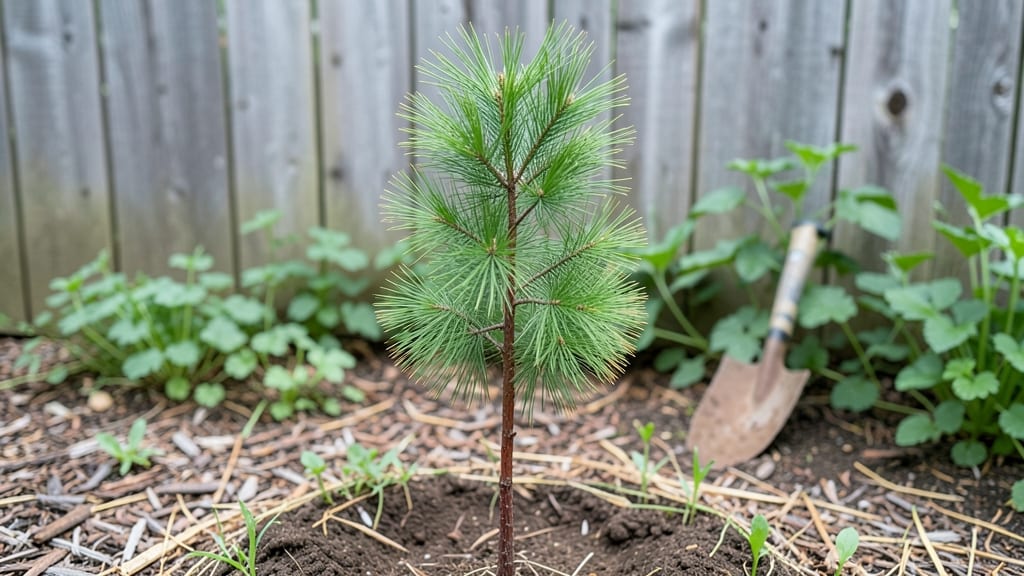
Planting redwood trees turns your yard into a living monument—towering, timeless, and impossible to ignore. 🌿 I planted mine last spring, and though they grow slow at first, the wait feels worth it when you see those first deep green needles unfurl.
These coastal giants thrive where summers are mild and winters stay damp, but the right soil and site prep make all the difference.
The secret to success starts with location: redwoods need 6+ hours of dappled sunlight daily and well-draining, acidic soil (think forest floor, not heavy clay). Most nurseries sell them as bare-root seedlings, so dig a hole twice as wide as the root ball but no deeper—settling too low invites rot.
Amend the native soil with compost for that rich, spongy texture they crave.
After planting, water deeply but infrequently—once a week for the first month, then taper off as roots establish. Mulch heavily with wood chips to mimic their natural habitat, keeping moisture locked in while blocking weeds.
Within 3-5 years, you’ll see steady growth, though true grandeur takes decades. Patience pays off in shade, privacy, and a backyard that feels like a redwood forest.
Common mistakes? Overwatering (they hate soggy feet) and planting too close to structures (they’ll outgrow everything). My neighbor’s tree now shades their patio—proof these giants reward long-term thinking. Ready to start your own? Let’s get those roots in the ground.
📚 In This Guide
- What you need
- Instructions
- Tips and common mistakes
- Wrapping up and next steps
What you need
- ● Redwood seedlings or saplings: Choose 1-3 healthy, container-grown redwoods (3–6 feet tall for best survival rates). Opt for bareroot or containerized options based on your climate.
- ● Shovel or spade: A sturdy, 5–6 ft. long digging tool for planting holes (1.5x wider than the root ball).
- ● Garden fork or tiller: For loosening compacted soil in the planting area.
- ● Compost or well-aged manure: 5–10 gallons per tree to enrich the soil with organic matter.
- ● Mulch (wood chips or bark): 3–4 inches of organic mulch to retain moisture and suppress weeds.
- ● Watering can or hose with a gentle nozzle: Redwoods need consistent moisture, especially in their first year.
- ○ Stakes and soft ties (optional but recommended): For young trees in windy coastal areas (use 3–4 ft. stakes and wide fabric ties to avoid girdling).
- ● Location: A spot with partial shade to full sun, 6+ hours of sunlight daily, and well-draining soil. Coastal redwoods thrive in humid, foggy climates (USDA Zones 7–10).
- ● Soil pH: Slightly acidic to neutral (5.5–7.0). Test your soil or amend with sulfur if needed.
- ● Space: Plant saplings at least 20–30 feet apart (they grow 2–3 feet per year and can reach 300+ feet tall!).
- ● 🌡️ Timing: Plant in early spring or fall to avoid extreme heat or frost.
- ● ✨ Watering: Keep soil consistently moist (not soggy) for the first 2 years—redwoods are drought-sensitive when young!
- ● 🔥 Soil Prep: Mix in 10–20% compost into the planting hole to mimic their natural forest-floor habitat.
How to plant redwood trees for long-term coastal growth
Here’s the straightforward method I’ve used to establish healthy redwoods in coastal climates—no complicated steps, just proven results.
🌱 Step 1: Choose the Right Location and Prepare the Site
Redwoods thrive in partial shade to full sun with well-draining soil—they despise soggy roots. Pick a spot with at least 6 feet of vertical space (they’ll grow tall fast) and 8-10 feet between trees for mature spread. Coastal winds can stress young seedlings, so plant near a windbreak like a fence or shrubs if possible.
Test your soil’s drainage by digging a 12-inch deep hole and filling it with water. If it drains within 2-3 hours, your site is ready. Amend heavy clay with 3-4 inches of compost mixed into the top 12 inches of soil to improve aeration. Avoid planting in low spots where water pools after rain.
🪴 Step 2: Dig the Hole and Plant with Care
Dig a hole twice as wide as the root ball but no deeper—redwood roots are shallow and sensitive to being buried too deep. Gently remove the seedling from its container and loosen any circling roots with your fingers. This prevents girdling as the tree matures.
Place the seedling in the hole so the top of the root ball sits level with the ground—burying the stem too deep suffocates it. Backfill with native soil (not amended mix) and water deeply to eliminate air pockets. Press the soil lightly around the base with your hands to stabilize it, but don’t compact it.
☀️ Step 3: Water and Mulch for Coastal Resilience
Water deeply once a week for the first 6 months, soaking the soil to a 12-inch depth. Redwoods hate drought stress, but they also hate soggy feet—let the top 2 inches of soil dry out between waterings. Use a soaker hose or drip irrigation to avoid wetting the foliage, which can invite fungal diseases in humid coastal air.
Spread 3-4 inches of wood chips or bark mulch in a 3-foot diameter ring around the base, keeping it 6 inches away from the trunk. This mimics their natural forest floor and retains moisture while protecting roots from temperature swings. Replenish mulch annually—it breaks down fast in coastal climates.
Tips & tricks for planting redwood trees
A few simple strategies that'll help your coastal redwoods grow strong and healthy from day one.
Soil Drainage Test: That 2-3 hour drainage test in Step 1 is non-negotiable for redwoods. If water still pools after 3 hours, you'll need to improve drainage by adding more compost or creating a raised bed. I've seen redwoods fail in soggy soil within weeks—trust me, don't skip this step! The goal is to mimic their natural forest floor where water flows freely.
Root Ball Handling: When you remove your seedling in Step 2, be extra gentle with those circling roots. I use my fingers to carefully tease them apart—this prevents girdling that can strangle your tree as it grows. Think of it like untangling headphones: patience pays off. Also, make sure the root ball stays intact during the entire process to preserve those delicate root structures.
Mulch Placement: The 3-4 inches of mulch in Step 3 should form a donut shape around your tree, keeping it 6 inches away from the trunk. This prevents rot and pest issues at the base while still protecting roots. I like to use cedar mulch because it naturally repels insects while breaking down slowly. Just remember to refresh it annually—coastal winds and rain will wear it away faster than you think.
Watering Wisdom: That once-a-week watering for 6 months might seem like a lot, but redwoods need consistent moisture during their early years. I recommend watering in the morning so foliage has time to dry before evening humidity sets in. Use a moisture meter to check soil depth—aim for dampness at 12 inches down, not just at the surface. The top 2 inches drying out between waterings helps prevent fungal issues while still keeping roots hydrated.
Pro Tips for Planting Redwood Trees
- A few simple strategies that'll help your coastal redwoods grow strong and healthy from day one.
- Soil Drainage Test: That 2-3 hour drainage test in Step 1 is non-negotiable for redwoods.
- Root Ball Handling: When you remove your seedling in Step 2, be extra gentle with those circling roots.
Frequently asked questions
Got questions about planting redwood trees? You’re not alone—these majestic giants need extra care! Here are answers to the most common concerns to help you grow a thriving coastal redwood.
How deep should I plant a redwood tree sapling?
Plant the root collar (where the roots meet the trunk) just above ground level. Burying it too deep can suffocate the tree, while planting too shallow exposes roots to drying. Loosen soil around the base to encourage root spread—think of it like tucking a cozy blanket around its roots!
How long does it take for redwoods to grow?
Redwoods are patient giants! In ideal conditions, they grow 3–4 feet per year when young, but mature growth slows to 1–2 feet annually. Full height (200+ feet!) takes 500–1,000 years—so start small, but dream big!
Do redwoods need full sun or shade?
Young redwoods thrive in partial shade (40–60% sunlight), while mature trees tolerate full sun. Avoid harsh afternoon sun in hot climates—think of them as coastal divas who love misty, cool air. Mulch helps retain moisture!
Can I grow redwoods in containers?
Nope! Redwoods have massive root systems—they need deep, well-draining soil and space to stretch. Containers limit growth and risk root rot. If you’re set on a smaller option, consider coast live oak or dawn redwood (a dwarf cousin!).
Why are my redwood leaves turning brown?
Brown leaves often signal overwatering, pests (like aphids), or fungal issues. Check soil moisture—redwoods hate soggy roots. Spray with neem oil for pests and prune dead branches. Pro tip: Ensure airflow around the tree to prevent mold!
Wrapping up and next steps
Planting redwood trees isn’t just about nurturing towering giants—it’s a legacy for future generations. 🌲 Whether you’re restoring a forest or adding a coastal sentinel to your property, these resilient trees reward patience with breathtaking growth. Start small, but think big: your efforts today will cast shade for decades.
Ready to take the next step? Research your local climate, connect with a nursery, and mark your calendar—your redwood’s future begins with a single seedling. Let’s grow something extraordinary together!