
Companion Plants
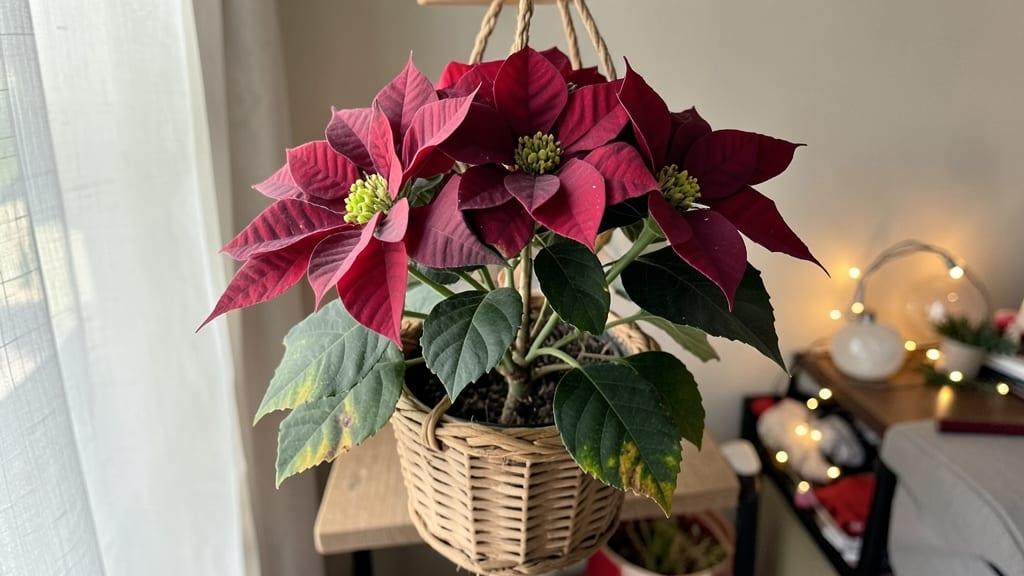
Creating hanging Christmas plants that last beyond December starts with the right choices—poinsettias for bold color, amaryllis for dramatic blooms, or ivy for evergreen texture.
I’ve learned the hard way that holiday plants need more than just holiday cheer to survive; they need consistent light, precise watering, and a cozy spot away from drafts. The key isn’t just decorating—it’s nurturing them through the winter so they return next year with vigor.
Most people stop caring after the tree comes down, but the plants that thrive year-round get daily attention to their needs. Poinsettias, for example, need bright indirect light and soil that stays slightly moist but never soggy.
Amaryllis bulbs, on the other hand, love cooler nights and benefit from a 12-week dormancy period after blooming. Even ivy, the hardiest of the bunch, needs occasional pruning to keep its cascading shape lush and full.
By spring, your hanging plants can become a living centerpiece—poinsettias reblooming with care, amaryllis sending up fresh stems, and ivy trailing beautifully in pots or garden beds.
The secret is treating them like permanent houseplants, not disposable decorations. With the right setup, you’ll have greenery that brings joy long after the holidays fade.
Whether you’re hanging them indoors near a sunny window or outdoors on a patio, the principles stay the same: light, water, and patience. Let’s turn your holiday decorations into year-round favorites that keep giving back.
📚 In This Guide
- What you need
- Instructions
- Tips and common mistakes
- Wrapping up and next steps
What you need
- ● Hanging Christmas plants (e.g., Schefflera arboricola, Philodendron, or Pothos) – 1-3 plants (depending on pot size and desired fullness).
- ● Hanging baskets or macramé planters – 1-3 (10-14" diameter, with drainage holes).
- ● Well-draining potting mix – 2-3 gallons (look for a blend with perlite or orchid bark).
- ○ Moss or sphagnum peat – 1 small bag (optional, for moisture retention and aesthetics).
- ● Slow-release fertilizer – 1 packet (14-14-14 NPK ratio recommended).
- ○ Decorative accents – Optional (e.g., faux berries, mini ornaments, or fairy lights).
- ● Pruning shears or scissors – For trimming roots or plant stems.
- ● Gloves – To protect your hands from soil and sharp edges.
- ● Watering can or spray bottle – For gentle hydration (avoid soggy soil!).
- ● Supporting hook or ceiling mount – Ensure it can hold 10+ lbs per plant.
- ● Sunlight assessment – Identify a spot with bright, indirect light (e.g., near a window or under grow lights).
- ● Patience & love – These plants thrive with consistent care! 💚
Step-by-Step instructions for creating lush hanging Christmas plants
Here's how to transform your space with vibrant, evergreen arrangements that stay lively through holidays and beyond.
Select the Right Containers and Drainage System
Choose macramé hangers or ceramic pots with built-in drainage—both work beautifully for holiday plants. If using traditional pots, ensure they have at least two drainage holes to prevent root rot during winter watering. I prefer 10-12 inch diameter pots for a full, cascading look, as they provide enough soil volume while keeping the weight manageable.
Line the bottom of each pot with 1-2 inches of gravel or expanded clay pebbles to create an air gap. This prevents water from pooling at the roots while still allowing excess moisture to drain. If your chosen plants are drought-tolerant like English ivy or pothos, you can reduce the gravel layer to ½ inch—just monitor soil moisture more closely.
Prepare the Soil Mix for Winter Growth
Fill your containers with a custom holiday soil blend—mix 3 parts peat moss, 2 parts perlite, and 1 part compost. This combination retains moisture without becoming waterlogged, which is critical during the drier indoor winter air. For a 4-pot setup, you’ll need about 3 gallons of this mix total, dividing it evenly among containers.
Moisten the soil blend until it reaches a slightly damp but not soggy consistency—think of a wrung-out sponge. Overwatering at this stage can displace the soil structure, while dry soil will compact too tightly for new roots. Tap the sides of each pot gently to settle the mix without compacting it further.
Plant Your Evergreen Selections Strategically
For a classic Christmas look, I recommend planting 1-2 dwarf conifers (like ‘Blue Star Juniper’) as your focal point, surrounded by spiller plants such as creeping fig or variegated string of pearls. Place the conifers slightly off-center in the pot to create visual interest when the arrangement cascades. Dig holes twice as wide as the root ball but only as deep as the plant’s current soil line.
Gently remove each plant from its nursery pot and loosen the roots if they’re tightly bound. Position the plant in its hole, then backfill with soil, pressing lightly to eliminate air pockets. Water immediately after planting to help the soil settle around the roots. This step is crucial—if air remains trapped, the plant may struggle to establish itself during the holiday season.
Position for Optimal Light and Holiday Ambiance
Hang your arrangements in a location with bright, indirect light—near a south- or east-facing window is ideal. Avoid direct sunlight, which can scorch tender holiday foliage, especially if the glass is cold. If natural light is limited, supplement with a full-spectrum LED grow light placed 12-18 inches away for 12-14 hours daily. You’ll notice healthier growth and richer color when the plants receive consistent light.
Rotate the pots quarter-turn weekly to ensure even growth. This prevents the plants from leaning toward the light source, which can make your arrangement look lopsided. During the holidays, group the pots together to create a cohesive festive display—just ensure they’re not blocking each other’s light entirely.
Maintain Through the Season with Minimal Effort
Water your hanging plants every 7-10 days, checking the top inch of soil for dryness before adding more moisture. In winter, indoor air is often dry, so the soil may stay damp longer than expected. Use room-temperature water to avoid shocking the roots, and water in the morning to allow excess moisture to evaporate throughout the day. Overwatering is the fastest way to kill holiday plants—always err on the side of slightly dry soil.
Fertilize lightly once a month with a balanced, water-soluble fertilizer (like 10-10-10) diluted to half-strength. This keeps the plants vibrant without encouraging rapid, leggy growth. Prune any yellow or brown leaves immediately to maintain a tidy appearance. With proper care, your hanging Christmas plants will stay lush and festive well beyond the holiday season.
Tips & tricks for perfect hanging Christmas plants
Transforming your space with lush, year-round holiday greenery requires a few strategic moves that go beyond basic care. Here's what I've learned after keeping these arrangements vibrant for multiple seasons.
Drainage is Non-Negotiable: In Step 1, when you're setting up your drainage layer, don't skimp on the gravel or pebbles. The 1-2 inch layer creates essential air circulation at the roots, preventing that dreaded root rot that can silently kill your plants. For drought-tolerant varieties like English ivy, the reduced ½ inch layer works because these plants naturally prefer drier conditions, but monitor soil moisture religiously—stick your finger in the soil up to your second knuckle. If it feels dry at that depth, it's time to water.
Soil Science Matters: The 3:2:1 peat moss-perlite-compost ratio in Step 2 is your secret weapon against winter's drying indoor air. The peat moss holds moisture while the perlite prevents compaction, and that compost provides just enough nutrients without overwhelming the plants. When mixing your 3 gallons for a 4-pot setup, use a clean bucket or wheelbarrow to avoid cross-contamination with old soil that might harbor diseases. Also, resist the urge to over-moisten—your soil should feel like a wrung-out sponge, not a soggy washcloth.
Light Positioning Strategy: For Step 4's 12-14 hours of light requirement, I've found that placing your grow light slightly above the plant's height creates more even coverage. If you notice one side growing toward the light, it's time for that quarter-turn rotation you'll do weekly. Pro tip: Use a small mirror or reflective surface on the opposite side of your grow light to bounce light back toward the plants, maximizing that precious 12-14 hour window without adding extra equipment.
Watering Wisdom: The 7-10 day watering schedule in Step 5 is your baseline, but winter air conditioning can make your indoor environment drier than expected. Check that top inch of soil with your finger—if it's dry, water thoroughly until you see moisture emerge from the drainage holes. The morning watering routine prevents nighttime moisture buildup that can encourage fungal issues. And here's a trick I picked up from professional growers: Use room-temperature water that's been sitting out for at least 20 minutes to avoid shocking the roots with cold water straight from the tap.
Pro Tips for Hanging Christmas Plants
- Transforming your space with lush, year-round holiday greenery requires a few strategic moves that go beyond basic care.
- Drainage is Non-Negotiable: In Step 1, when you're setting up your drainage layer, don't skimp on the gravel or pebbles.
- Soil Science Matters: The 3:2:1 peat moss-perlite-compost ratio in Step 2 is your secret weapon against winter's drying indoor air.
Frequently asked questions
Got questions about hanging Christmas plants?
You’re not alone! Here are answers to the most common queries—from care tips to holiday hacks—to keep your festive greenery looking its best.
What are the best hanging Christmas plants for beginners?
Start with low-maintenance picks like Christmas Cactus (Schlumbergera), Poinsettias (Euphorbia pulcherrima), or English Ivy (Hedera helix). These thrive in indirect light and require minimal fuss. For year-round greenery, Pothos (Epipremnum aureum) or Spider Plants (Chlorophytum comosum) are hardy and forgiving!
How long before Christmas should I hang these plants?
For a lush, full look, hang plants 6–8 weeks before the holiday. This gives them time to adjust, fill out, and recover from any stress. If using seasonal varieties like poinsettias, follow the packaging instructions—they often need a 6–8 week "dark treatment" to bloom on schedule.
Why are my hanging Christmas plants drooping or turning yellow?
Drooping usually means underwatering or overwatering. Let soil dry slightly between waterings, and ensure pots have drainage holes. Yellow leaves? Check for root rot (too much moisture) or nutrient deficiency (feed with balanced fertilizer every 4–6 weeks). Move plants to bright, indirect light if they’re leggy.
Can I reuse hanging Christmas plants year after year?
Many varieties—like Christmas Cactus, Pothos, or English Ivy—are perennial and can thrive for years with proper care. Prune leggy stems in spring, repot every 2–3 years, and give them a winter rest period (cooler temps, less water) to keep them healthy. Seasonal picks like poinsettias may not rebloom but can live for years as foliage plants.
What’s a good alternative if I don’t have space for hanging plants?
No problem! Try tabletop planters, wall-mounted shelves, or vertical gardens for compact greenery. For a similar festive vibe, air plants (Tillandsia) or succulents in macramé hangers add holiday charm without the bulk. Just ensure they get the right light and care for their specific needs!
Wrapping up and next steps
Hanging Christmas plants bring a touch of holiday magic to your space while offering year-round greenery. With the right care—like bright, indirect light and occasional misting—you’ll enjoy their beauty for seasons to come. Now’s your chance to turn your home into a lush, festive oasis!
Ready to get started? Grab your supplies, follow the steps, and watch your hanging plants thrive—because every little green detail makes the holidays brighter. 🌿✨
- Next step: Pick your favorite hanging Christmas plant (like Schefflera or Pothos) and start decorating!