
Planting
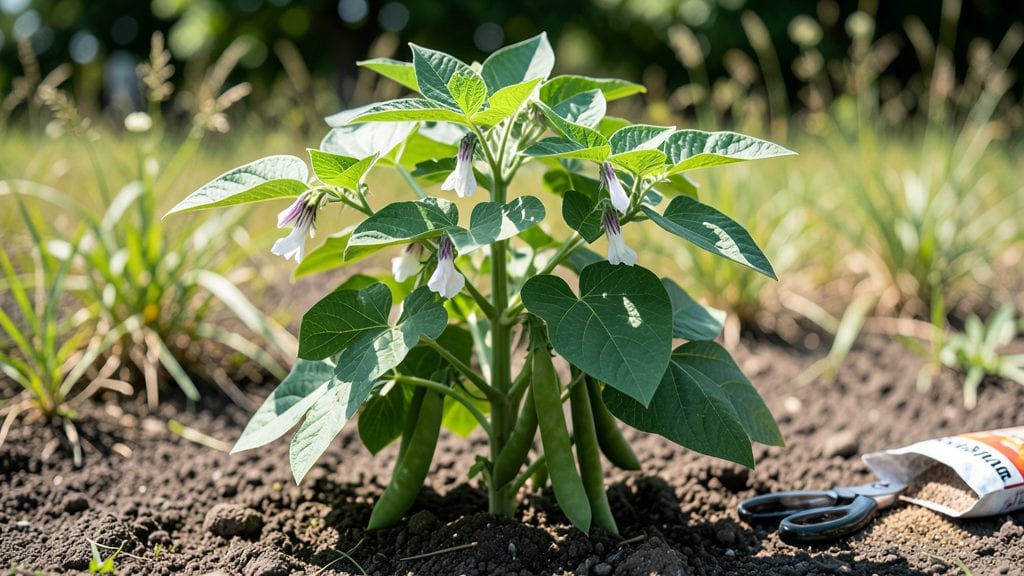
Caring for bean plants transforms your garden into a lush, productive green wall in just 60 days. 🌱 I’ve grown both bush and pole varieties for years, and the difference between a scraggly mess and a thriving vine often comes down to three simple pruning tricks that keep plants focused on producing pods instead of wild, tangled growth.
Beans are forgiving plants, but they reward precision—especially when it comes to sunlight, water, and support. Pole beans need a trellis or sturdy stakes to climb, while bush beans stay compact but still benefit from regular pruning to improve airflow.
The key is consistency: water deeply once a week (more in extreme heat) and fertilize lightly with compost to avoid leafy growth at the expense of beans.
With the right care, you’ll end up with vines heavy enough to bend their supports, pods forming within weeks, and plants that keep producing until frost. The secret isn’t complicated—it’s about guiding their growth the right way from day one. Here’s exactly how to do it without overcomplicating things.
Whether you’re growing in raised beds, containers, or straight in the ground, these tricks adapt to any setup. The payoff? A harvest that makes your neighbors jealous and a garden that feels like a well-oiled machine. Let’s get those beans thriving.
📚 In This Guide
- What you need
- Instructions
- Tips and common mistakes
- Wrapping up and next steps
What you need
- ● Bean Seeds: Choose your variety (e.g., bush beans, pole beans, or heirloom types). Aim for 50–100 seeds depending on your garden size.
- ● Potting Soil or Garden Bed: Pots: 1–2 gallon containers (if growing indoors or in small spaces)
- ● Garden Bed: Well-draining, loose soil with a pH of 6.0–7.0 (amend with compost if needed).
- ○ Fertilizer: Balanced, low-nitrogen fertilizer (e.g., 5-10-10) or compost. Optional: Organic options like worm castings or fish emulsion.
- ● Watering Can or Hose: With a gentle spray nozzle to avoid disturbing seeds.
- ● Pruning Shears: Sharp, bypass-style shears (for trimming vines—critical for your 3 key pruning tricks!).
- ● Trellis or Stakes: For pole beans—5–6 ft tall bamboo stakes or a durable trellis (e.g., A-frame or netting).
- ● Mulch: Straw or shredded leaves to retain moisture and suppress weeds.
- ● Gloves: Gardening gloves to protect hands from thorns (common in some varieties).
- ● Plant Labels: To track varieties and pruning schedules.
- ○ Sunlight Meter (Optional): To ensure your beans get 6–8 hours of full sun daily.
Step-by-Step bean plant care for lush, productive vines
Here's how I keep my beans thriving—no guesswork, just proven techniques for healthy growth and big harvests.
🌱 Step 1: Plant Beans in Well-Drained Soil
Beans need loose, well-draining soil to prevent root rot. Work in a 2-inch layer of compost before planting to improve fertility and drainage. If your soil is heavy clay, mix in 1 part perlite to 3 parts soil to help roots spread easily.
Plant seeds 1 inch deep and 3-4 inches apart in rows spaced 18 inches apart for bush beans or 4-6 inches apart in rows spaced 2-3 feet apart for pole beans. Water the soil thoroughly after planting to help seeds settle and maintain even moisture.
💧 Step 2: Water Consistently Without Overdoing It
Keep the soil evenly moist but never soggy—beans hate waterlogged roots. Water 1 inch per week, adjusting for rain. Let the top 1-2 inches of soil dry out slightly between waterings to prevent fungal diseases like root rot.
Water at the base of plants in the early morning to reduce evaporation and fungal risks. Avoid wetting the leaves, which can lead to mildew. You'll know you're doing it right when the soil feels damp but not wet when you check with your finger.
☀️ Step 3: Provide Support and Prune for Airflow
Pole beans need strong trellises or stakes—install them at planting time to avoid disturbing roots later. Tie vines loosely with soft plant ties every 12 inches as they grow. For bush beans, no support is needed, but prune away any yellow or diseased leaves to keep energy focused on production.
Prune regularly to improve airflow: snip off any suckers (side shoots below the first leaves) and trim back overcrowded stems to 6-8 inches apart. This prevents pests and diseases while directing energy to the main vines and pods.
✂️ Step 4: Harvest and Encourage Continuous Growth
Pick beans every 2-3 days once they reach full size but before pods toughen. Harvesting frequently encourages more production—you'll see new flowers and pods forming within 3-5 days of picking. Use sharp scissors or fingers to snap pods cleanly at the stem.
After the first harvest wave, side-dress with compost to replenish nutrients. If plants slow down, trim back one-third of the oldest leaves to stimulate new growth. This keeps vines productive well into fall if your climate allows.
⏰ Step 5: Monitor for Pests and Diseases
Watch for bean beetles or aphids—spray with neem oil if you spot them early. Remove any plants showing signs of rust or powdery mildew immediately to prevent spread. Healthy beans develop deep green leaves and firm, straight pods—any yellowing or spotting means action is needed.
Rotate crops next season if possible—don’t plant beans in the same spot two years in a row. This breaks pest and disease cycles naturally. With these steps, your beans will climb, produce, and reward you with a bountiful harvest.
Tips & tricks for thriving bean vines
These simple tricks will transform your bean plants from struggling survivors to vigorous producers—no green thumb required.
Soil Preparation Secret: Before planting, test your soil's drainage by digging a hole and filling it with water. If it takes more than 30 minutes to drain, mix in extra perlite or sand to loosen it up. I've seen beans wilt within days when planted in heavy, compacted soil—don't make that mistake. For extra fertility, add a handful of worm castings to your 2-inch compost layer.
Watering Wisdom: The 1-inch weekly watering guideline works best in well-draining soil, but adjust for your climate. In hot, dry weather, you might need to water every 2-3 days instead. I check moisture by pushing my finger 1-2 inches into the soil—if it feels dry, it's time to water. Morning watering is key because it gives leaves time to dry before evening, reducing mildew risks.
Pruning Technique: When trimming back overcrowded stems to 6-8 inches apart in Step 3, use clean, sharp pruners to avoid damaging the main vines. I always prune just above a leaf node where new growth can emerge. For pole beans, focus on removing suckers (those side shoots below the first leaves)—they drain energy from your main crop. Think of pruning as giving your plants a haircut to keep them looking their best!
Harvesting Hack: The 2-3 day harvesting window is crucial—beans lose flavor and texture as they mature. I set a timer every morning to check my plants, and I've found that harvesting at the same time each day trains the plants to produce consistently. Use your fingers to gently snap pods at the stem rather than cutting with scissors to avoid damaging the vine. This simple technique keeps your plants producing for weeks longer.
Pro Tips for Bean Plant Care
- These simple tricks will transform your bean plants from struggling survivors to vigorous producers—no green thumb required.
- Soil Preparation Secret: Before planting, test your soil's drainage by digging a hole and filling it with water.
- Watering Wisdom: The 1-inch weekly watering guideline works best in well-draining soil, but adjust for your climate.
Frequently asked questions
Got questions about keeping your bean plants happy and productive?
Here are answers to the most common ones—so you can grow lush vines without the guesswork!
How often should I water bean plants?
Water beans deeply 1–2 times per week, ensuring the top inch of soil stays moist but not soggy. Drip irrigation or soaker hoses work best to avoid wetting leaves (which can cause disease). Pro tip: Mulch around plants to retain moisture and prevent weeds.
When is the best time to prune bean plants?
Prune early in the morning when plants are dry and pests are less active. For bush beans, trim yellow or damaged leaves as needed. Pole beans need regular pruning every 2–4 weeks to encourage airflow and higher yields. Always use sterilized shears to avoid spreading disease.
Can I grow beans in containers? What size pot do I need?
Yes! Bush beans thrive in 5–10 gallon pots, while pole beans need at least 15 gallons (or deeper containers for vining). Use well-draining soil and place pots in full sun (6+ hours daily). Add a trellis or cage for pole beans to climb. Note: Containers dry out faster—check soil moisture daily.
What should I do if my bean plants have holes or chewed leaves?
Holes or ragged leaves usually mean bean beetles, slugs, or rabbits. Try these fixes:
- Handpick pests early in the morning.
- Use row covers or neem oil spray for organic control.
- Set up beer traps (for slugs) or chicken wire barriers (for rabbits).
Prevent future damage by keeping your garden tidy and removing plant debris where pests hide.
Can I still harvest beans if I missed the pruning window?
Don’t stress—beans are forgiving. If you skipped pruning, focus on removing only diseased or overcrowded leaves to improve airflow. Harvest regularly (every 2–3 days) to encourage more production. Bonus: Overgrown plants may yield fewer but larger beans—adjust your expectations and enjoy what you get!
Wrapping up and next steps
Growing thriving bean plants is all about timely pruning, patience, and a little love! 🌱 With the right tools, techniques, and care, you’ll soon enjoy lush vines and a bountiful harvest.
Remember: pruning isn’t just about shaping—it’s about health and productivity. Whether you’re a beginner or a seasoned gardener, these tricks will set you up for success.
Ready to put your new skills to the test? Start with just one plant—observe, prune, and refine your approach. Before you know it, your garden will be bursting with vibrant, productive bean vines! Happy gardening! 🌿✨