
Pruning
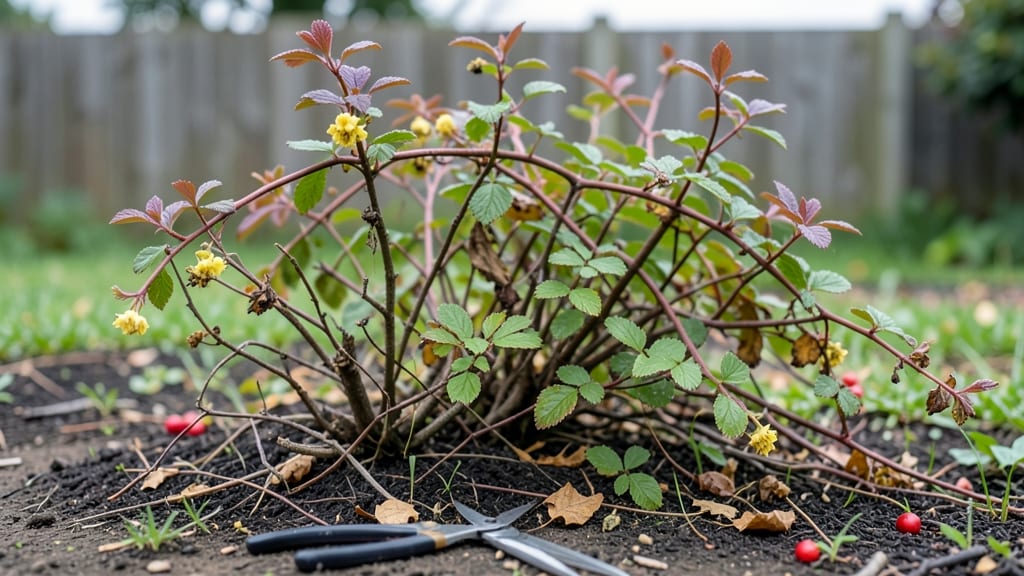
Barberry plants pruning transforms a scraggly shrub into a dense, vibrant hedge—if you time it right. 🌿 I’ve pruned these tough shrubs for years, and the difference between a well-shaped barberry and a wild tangle comes down to three key cuts: late winter, midsummer, and early fall.
Each trim serves a purpose, from encouraging new growth to controlling spread.
The tools you’ll need are simple: sharp bypass pruners, loppers for thicker stems, and a pair of gloves—barberries have those pesky thorns. Start by removing dead or crossing branches in late winter, then do a light shaping in summer to keep the plant compact.
Fall’s the time to tidy up any straggly growth before winter sets in. It’s not about shearing into a perfect shape but about encouraging healthy, bushy growth.
You’ll end up with a barberry that’s denser, more productive, and resistant to pests and disease. The foliage stays lush and vibrant, and those bright red berries—if you’re growing a fruiting variety—will be more abundant.
The key is consistency: skip a season, and you’ll spend extra time catching up. Think of it like giving your barberry a seasonal haircut—regular maintenance keeps it looking sharp.
Different varieties need slightly different approaches: dwarf barberries can handle heavier pruning, while larger types like Berberis thunbergii benefit from more strategic cuts. And here’s the thing—barberries are forgiving.
Even if you mess up a trim, they bounce back. The goal isn’t perfection; it’s keeping them healthy and full. Let’s get those shears out and shape them up!
📚 In This Guide
- What you need
- Instructions
- Tips and common mistakes
- Wrapping up and next steps
What you need
- ● Pruning shears (bypass or anvil type) – Choose sharp, high-quality shears (5–8 inches) for clean cuts. Disinfect with rubbing alcohol between cuts to prevent disease spread.
- ● Loppers (for thicker stems) – Opt for bypass loppers (8–12 inches) for branches up to 1.5 inches in diameter. Oil the pivot point for longevity.
- ● Hand pruners (for fine trimming) – Ratchet-style pruners reduce hand fatigue for detailed work.
- ● Gloves (cut-resistant & garden-grade) – Protect your hands from thorns and sap. Nitrile-coated gloves work best.
- ● Ladder or step stool – Essential for reaching taller barberry bushes (3–6 feet). Ensure it’s stable and non-slip.
- ● Heavy-duty trash bags or bucket – Collect pruned branches for composting or disposal.
- ● Rubbing alcohol (70% isopropyl) or bleach solution – Sanitize tools between cuts to avoid fungal/bacterial transfer.
- ● Sharpie or permanent marker – Mark cuts for reference if planning a structured trim.
- ● Hose with nozzle – Rinse tools and clean up sap residue post-pruning.
- ○ Pruning sealant (optional for large cuts) – Helps prevent disease in woody stems (e.g., Tanglefoot Tree Wound Pruning Seal).
- ● Knee pads or stool – For comfort during ground-level trims.
- ● Safety glasses – Protects eyes from debris, especially when using loppers.
- ● Plant growth regulator (e.g., hydrogen peroxide 3%) – Spray cuts to reduce pathogen risk (dilute to 10%).
Step-by-Step guide for pruning barberry plants
Keep your barberry looking sharp and healthy with this seasonal pruning routine.
✂️ Step 1: Late Winter Pruning (Before New Growth)
Start your barberry pruning in late winter, just as buds begin to swell but before any new growth emerges. This is the most critical trim because it shapes the plant for the season and removes any dead or damaged stems from winter. Use clean, sharp pruners to make cuts at a 45-degree angle about ¼ inch above a bud or branch junction.
Focus on removing any crossing branches that rub together, as these create wounds where disease can enter. Also cut back any weak, spindly growth from the previous year—these stems rarely produce strong foliage. I like to step back after each cut to visualize the plant’s shape, ensuring it maintains an open, airy form that lets sunlight reach all parts.
🌿 Step 2: Mid-Summer Light Pruning (After Flowering)
In mid-summer, after your barberry has finished flowering, do a light maintenance trim to encourage bushier growth and remove any spent blooms. This isn’t about drastic shaping—just tidying up. Look for overly long branches that are stretching too far from the center and cut them back by ⅓ to promote denser foliage.
Remove any yellowing or diseased leaves immediately to prevent the spread of issues like powdery mildew. I also check for suckers—those aggressive shoots growing at the base—and snip them off at the ground level. This keeps the plant’s energy focused on the main structure rather than wasted on unwanted growth.
✂️ Step 3: Fall Cleanup (Preparing for Dormancy)
In early fall, just before the first frost, do a final cleanup to remove any dead, diseased, or weak stems. This helps the plant enter dormancy in the best possible condition. Cut back any overly leggy growth that developed during the summer, but avoid heavy pruning—you don’t want to stress the plant before winter.
Rake up and dispose of any fallen leaves or debris around the base of the plant, as this can harbor pests and diseases over the winter. I also give the plant a light layer of mulch (if using) to protect the roots from freezing temperatures. This final trim ensures your barberry starts the next growing season strong and healthy.
⏰ Step 4: Year-Round Monitoring (Adjust as Needed)
Throughout the year, keep an eye on your barberry for any unusual growth patterns or signs of stress. If you notice bare spots where branches have died back, prune those areas lightly in early spring to encourage new shoots. Avoid heavy pruning in late summer or fall, as this can stimulate tender new growth that won’t survive winter.
I also check for pests like spider mites or diseases like leaf spot and prune affected areas immediately. The key is consistent, gentle maintenance—never more than ⅓ of the plant’s total foliage in any one season. This keeps your barberry thriving for years with minimal effort.
Tips & tricks for perfect barberry pruning
Here's how to get the most out of your seasonal trims without stressing your plants.
Tool Preparation: Always start with clean, sharp pruners—dull blades tear stems and create entry points for disease. I like to wipe down my pruners with rubbing alcohol between cuts, especially when dealing with diseased branches. For larger branches, use loppers with a 45-degree angle cutter to ensure clean cuts that heal properly.
Seasonal Timing Secret: In Step 1, when you're pruning in late winter, focus on the buds beginning to swell—this is your cue that it's time. If you prune too early, you risk cutting off next year's growth; if you wait too long, you'll be removing new shoots. The same goes for Step 3 in early fall—prune just before the first frost, not after. This timing ensures your barberry enters dormancy in the best condition.
Visual Pruning Technique: Step back frequently during Step 1 to visualize your plant's shape. Barberries thrive with an open, airy form that allows sunlight to reach all branches. Aim for a rounded, natural shape—avoid creating a flat-topped or overly dense look. This not only improves air circulation but also makes future pruning easier. Think of it like sculpting—a little at a time creates the best results.
Disease Prevention: When removing yellowing or diseased leaves in Step 2, don't just toss them on the ground! Place them in a sealed bag and dispose of them in the trash. Diseased plant material can harbor pathogens that survive winter and reinfect your plant next season. Also, always sterilize your pruners between cuts on diseased branches by wiping them with rubbing alcohol or a 10% bleach solution.
Pro Tips for Barberry Plant Pruning
- Here's how to get the most out of your seasonal trims without stressing your plants.
- Tool Preparation: Always start with clean, sharp pruners—dull blades tear stems and create entry points for disease.
- Seasonal Timing Secret: In Step 1, when you're pruning in late winter, focus on the buds beginning to swell—this is your cue that it's time.
Frequently asked questions
Got questions about keeping your barberry plants thriving with the right pruning? Here are some of the most common queries—plus straightforward answers to help you prune like a pro!
When is the best time to prune barberry plants?
The ideal times are late winter or early spring (just before new growth starts), summer after flowering (to shape and encourage bushiness), and early fall (to remove dead or diseased branches). Avoid heavy pruning in late fall—it can leave plants vulnerable to winter damage.
How much can I cut back my barberry bush?
For most barberry varieties, you can safely remove up to one-third of the plant’s growth per year. If your bush is overgrown, spread the pruning over 2-3 years to avoid stressing the plant. Always cut just above a bud or branch junction for the cleanest results.
What should I do if my barberry plant looks unhealthy after pruning?
If your barberry shows signs of stress—yellowing leaves, wilting, or sparse regrowth—it may need time to recover. Water deeply, avoid fertilizing for a few weeks, and check for pests or disease. If branches die back, prune them out in the next growing season to encourage new growth.
Do I need to prune barberries if they’re not flowering?
Yes! Even non-flowering barberries benefit from pruning to remove dead wood, improve air circulation, and maintain shape. Focus on thinning out crowded branches and cutting back leggy stems to encourage a denser, healthier plant.
Can I prune barberry plants in all seasons?
While late winter/early spring and summer are best, light pruning (like removing dead branches) can be done anytime. Avoid heavy pruning in fall or winter—it can expose the plant to cold damage or pests. If you must prune in winter, do so on a mild day and sterilize tools to prevent disease.
Wrapping up and next steps
Pruning your barberry plant isn’t just about keeping it tidy—it’s the key to vibrant growth, better fruit production, and long-term health! 🌿 With just three seasonal trims, you’ll encourage strong branches, prevent disease, and enjoy a lush, thriving shrub year after year.
Whether you’re a pruning pro or a beginner, these steps make maintenance simple and rewarding.
Ready to give your barberry the care it deserves? Grab your tools, mark your calendar for spring, summer, and fall, and get pruning! Your future self—and your plant—will thank you. 🌟